

Industrial valve traceability is not established by receiving a material certificate with a shipment. It is a documented chain that links the delivered valve, and the components specified as critical, to material identification, manufacturing records, inspection and test evidence, and the purchase-order requirements. The chain is only useful if the physical valve can be matched to the records without assumption.
Define the traceability scope before requesting quotations
Start with the valve duty and the project acceptance process, not with a general request for “full traceability.” That phrase can mean anything from a body material certificate to a controlled dossier covering materials, machining, testing, inspection, deviations, and shipment. If the scope is not defined before quotation, suppliers may price and supply materially different documentation packages under the same description.
The purchase order should identify each valve item by tag number, line item, or another unique purchaser identifier. It should also state the valve type and configuration, pressure rating or class where applicable, end connections, required materials, quantity, service conditions, and any project-specific inspection level. These inputs determine which components are pressure-retaining, service-critical, or subject to special material controls.
For example, a general utility isolation valve may only require identification of the completed valve and evidence for defined pressure-retaining materials. A valve used in severe temperature service, corrosive duty, hazardous service, or a controlled project package may require additional traceability for trim, bolting, bellows, overlays, welds, or subcontracted operations. The correct scope depends on the contract and service; it should not be inferred from the valve’s nominal size or material name alone.
Ask the supplier to submit a proposed document register or manufacturing data record index during technical clarification. This makes gaps visible before award. As supplier guidance, QRC Valves notes that documentation requirements should be confirmed in the purchase order before shipment. That is commercially practical, but the buyer should still define the actual documents, identifiers, and acceptance points rather than rely on a supplier’s usual package.
Before issuing the order, establish these inputs:
- Purchaser tag number, item number, and quantity for each valve.
- Valve datasheet, approved drawing requirements, and bill of materials where available.
- Applicable material requirements for body, bonnet or cover, closure member, stem, trim, bolting, bellows, and other relevant parts.
- Required certificate type, language, document format, and approval process.
- Required inspection and test plan, including purchaser review, hold, or witness points if applicable.
- The identification method that must connect records to the delivered valve: serial number, tag number, heat number, batch number, component identifier, or an agreed combination.
- Rules for deviations, replacement parts, corrected documents, and lost markings.
A supplier can provide a legitimate certificate for a material grade while still being unable to demonstrate which supplied component that certificate supports. The order must require the connection, not just the document.
Specify which valve components need material identification
Traceability should be specified component by component. A valve is an assembly, and different components carry different consequences if the wrong material, heat, or manufacturing route is used. Requiring identical permanent markings on every item is not always feasible or useful. Requiring no component-level identification for critical parts is often too weak.
Begin with the approved valve datasheet, bill of materials, general arrangement drawing, and material specification. Use these documents to identify the components that require individual, batch-level, or supplier-level evidence.
Pressure-retaining components
The body and bonnet, cover, or pressure-retaining housing normally deserve explicit treatment because they contain the process pressure boundary. The order should state whether records must identify the material grade, product form, heat or batch number, and relevant test results. It should also define how the record will be linked to the finished valve.
A cast body may carry a cast or heat identifier. A forged or bar-stock part may use a heat number or controlled lot reference. The acceptable method is application-specific, but the identifier must be readable, durable enough for the agreed inspection stage, and traceable in the supplier’s records.
Closure, stem, trim, and seating parts
The closure member, stem, seat, and trim can be service-critical even when they are not all pressure-retaining. Their material selection may affect corrosion resistance, galling resistance, wear, sealing performance, or compatibility with the process fluid. Where the duty makes these parts critical, specify their material evidence and the required connection to the valve serial number or component identifier.
Do not assume that a statement such as “stainless trim” provides adequate traceability. It describes a broad material category, not necessarily the grade, heat, product form, or component-to-record link required by the order.
Bolting, bellows, soft goods, and small parts
Bolting, bellows, springs, seals, packing, and small assembled components require a separate decision. Some can reasonably be controlled by batch or lot evidence rather than an individual permanent heat number. Soft goods may be identified by manufacturer part number, compound designation, cure batch, or controlled lot, depending on the application and contract. Small parts may be too small to mark permanently without damaging function or creating a new stress concentration.
The buyer should therefore define the acceptable evidence for each component class. A practical traceability matrix can list the component, required material or specification, acceptable identifier, required record, and link to the finished valve.
Supplier guidance from ZOBAI makes a useful limited point: a complete dossier should connect the certificate to the specified component rather than merely state a material grade. That is not proof of a universal industry rule, but it is a sound procurement test when component traceability is contractually required.
Build an identification chain from material certificate to delivered valve
The traceability chain should be designed to survive normal manufacturing. Raw material may be cut, forged, cast, machined, welded, heat treated, transferred between facilities, or incorporated into a subassembly. A heat number on incoming bar stock does not by itself prove the identity of the finished stem unless the supplier’s process preserves that link.
For each specified component, require an unbroken documented path such as:
- Material certificate identifying the material, heat or batch number, product form, and required results.
- Incoming-material or stock-control record accepting that material into the supplier’s controlled system.
- Transfer record, traveler, route card, or equivalent record linking the heat or batch to the component during cutting and processing.
- Component identifier or controlled batch reference linking the finished component to assembly.
- Valve serial number, unique item identifier, or purchaser tag linking the assembled valve to the component evidence.
- Final nameplate, tag, permanent marking, or agreed physical identification on the delivered valve.
Not every supplier uses the same record names. “Traveler,” “route card,” “job packet,” and “manufacturing routing” may describe similar functions. The buyer should specify the required links and evidence, not dictate terminology unless the project document-control system requires it.
Parker’s material-certification guidance describes traceability as a system connecting heat numbers, material certificates, manufacturing records, product markings, and order documentation. This is manufacturer guidance rather than independent verification, but it accurately illustrates why isolated certificates are insufficient for an assembly.
Ask suppliers to provide a component traceability matrix for valves with elevated documentation requirements. For each valve serial number, the matrix should identify the critical component, its material identifier, the supporting certificate number, and any applicable manufacturing or inspection record. This is easier to review than searching a large dossier for loosely related documents.
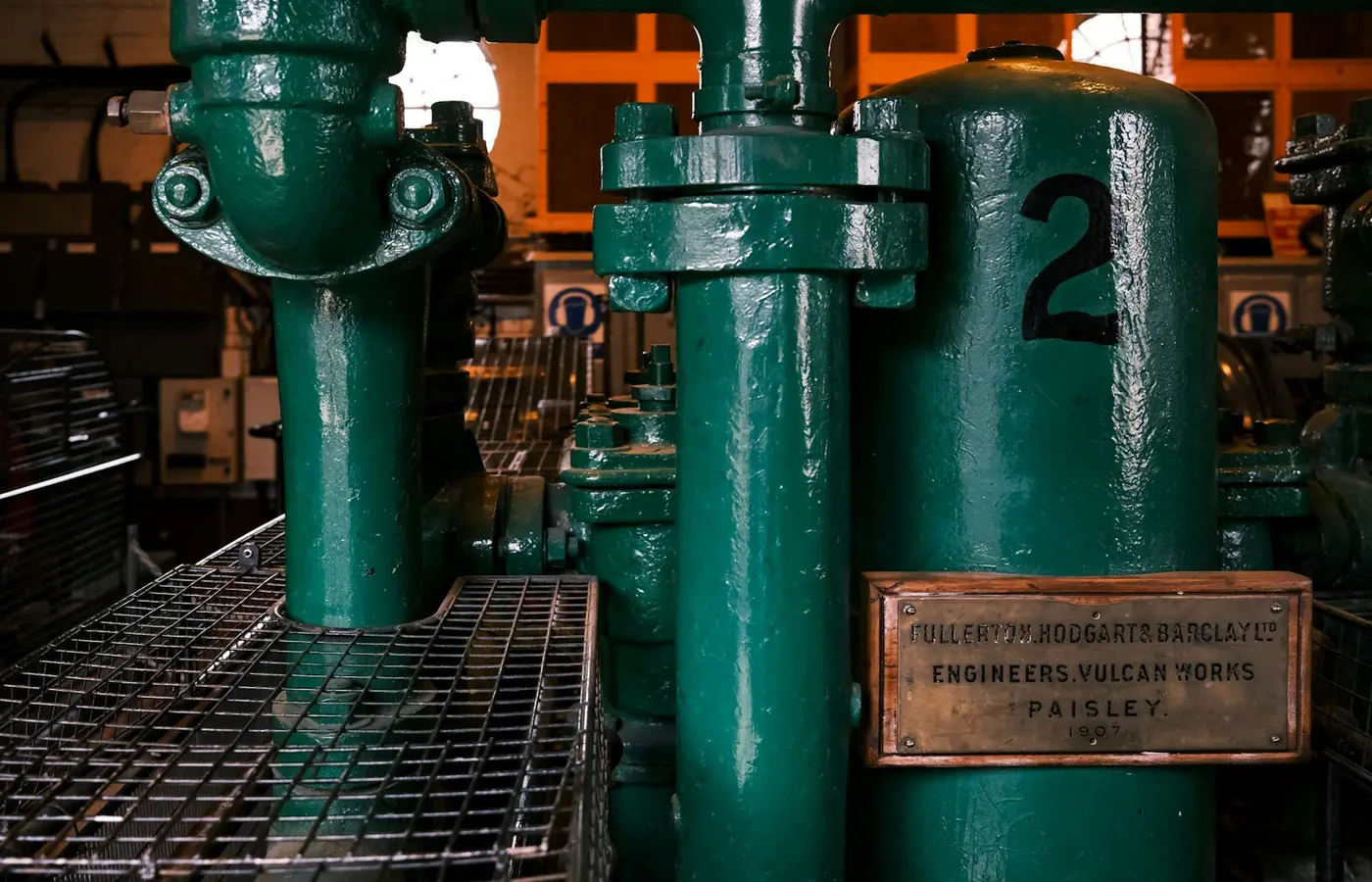
Physical identification needs equal attention. Agree where identifiers will appear: cast marking, stamped marking, metal tag, nameplate, durable label, or packaging label. The marking method must suit the material, valve construction, service restrictions, and project requirements. It should not obscure mandatory nameplate information or damage a pressure boundary.
List the inspection and test records that must match each valve
A request for a “test certificate” is too vague to control acceptance. Define the records required for each valve or lot and state the identifier that must appear on each record. Normally, that is the serial number, purchaser tag, or another unique agreed identifier.
The exact test content must come from the purchase order, valve datasheet, governing specification, and approved procedures. Do not assume that every valve requires the same pressure test, leakage test, examination method, or acceptance criterion.
Depending on the ordered scope, the dossier may need to include:
- Final visual and dimensional inspection records.
- Pressure-test reports.
- Functional-operating or seat-leakage test records when contractually required.
- Non-destructive examination reports when specified.
- Weld procedures, weld records, or heat-treatment records where applicable to the supplied configuration.
- Calibration status or identification for test instruments where the inspection plan requires it.
- Approved drawings and revision-controlled datasheets.
- Nonconformance reports, repair records, concession requests, and documented dispositions.
- Compliance declarations or special-service documents when specifically invoked by the contract.
Each completed record should state the valve identifier, applicable procedure or requirement, date, result, and acceptance status. If a report covers a group of valves, it should clearly list every covered serial number or tag. A generic report with only an order number may be insufficient where individual valve traceability is required.
QRC Valves states that a manufacturer data record, sometimes called a manufacturing data book, may contain material certificates, pressure-test reports, inspection records, drawings, and compliance documents. Terminology and contents vary by supplier and project, so treat an MDR as a defined contractual deliverable, not as a fixed industry package.
Write purchase-order documentation and marking requirements
The purchase order should turn the traceability scope into auditable deliverables. Avoid relying on phrases such as “submit all certificates” or “provide complete MDR.” They leave too much room for different interpretations.
A concise purchase-order checklist can require:
- A document index listing required documents, document numbers, revisions, and submission status.
- A traceability matrix mapping each valve and specified critical component to its material record.
- A unique serial-number format and the required relationship between serial number, purchaser tag, packing list, nameplate, and test reports.
- Required material certificate content, including identifiers, material grade, product form, and results where contractually applicable.
- Required physical markings and their locations, durability, and legibility criteria.
- Inspection and test reports required for each valve, component batch, or production lot.
- Electronic dossier format, searchable file requirements, and naming conventions.
- Submission timing for drawings, inspection notifications, preliminary records, and final documents.
- Required approval, review, witness, or hold points.
- Revision-control requirements and treatment of corrected or superseded documents.
- A documented process for missing, illegible, or mismatched marks and records.
Where the project invokes a specific standard, customer specification, or certificate type, cite the applicable contract document and revision directly in the order. Do not assume that a particular certificate form applies to every valve, material, or service.
Verify the delivered valve against the documentation dossier
Traceability should be checked at receiving and again before installation if valves are stored, repackaged, or separated from their documentation. A review confined to the document package can miss a swapped valve, a nameplate mismatch, or an unmarked replacement component.
Use a controlled receiving checklist:
- Compare delivered quantity, purchaser tags, packing-list entries, and purchase-order line items.
- Photograph or record the nameplate, serial number, permanent markings, and packaging identifiers before removing labels or installing the valve.
- Match each valve serial number or unique identifier to the applicable pressure-test and inspection records.
- Match body, bonnet or cover, and other specified component markings or controlled identifiers to the traceability matrix and material records.
- Confirm that documents carry the correct valve configuration, drawing revision, and order reference.
- Review nonconformance and concession records to ensure any deviation was formally accepted under the contract.
- Quarantine items with unresolved mismatches rather than treating paperwork discrepancies as administrative errors.
The NTIA guidance recommends treating inconsistent markings, material test reports, and manufacturer records as a material-identification issue until resolved. This is third-party guidance rather than a project-specific rule, but it is a prudent receiving principle. The supplier should provide a documented resolution that explains the discrepancy, identifies the affected valve or component, and establishes whether the item remains acceptable.
A practical acceptance rule is simple: a traceability claim is incomplete when the physical delivered valve cannot be linked to the records required by the order. The necessary level of detail varies with valve duty, component criticality, and contract requirements. The required links, however, should be defined before manufacture and verified against the actual valve before release for service.