

Pumps
How to Decide Whether Centrifugal Pumps Should Run in Series or Parallel
Choose centrifugal pumps in series for added head or in parallel for added flow, then verify curves, limits, suction conditions, and controls.

SINO INDUSTRY SECTION
Pump types, system curves, selection factors and operating limits explained.
Choose centrifugal pumps in series for added head or in parallel for added flow, then verify curves, limits, suction conditions, and controls.
Learn how to calculate and compare NPSHA and NPSHR across a centrifugal pump’s operating range and identify when engineering review is needed.
Select an abrasive slurry pump using measured solids data, corrected duty calculations, wear materials, sealing needs, and maintenance access.
Compare flooded suction and suction lift using liquid level, NPSH, piping losses, priming needs, inlet pressure, and maintenance constraints.
Select centrifugal pump impeller materials by evaluating liquid chemistry, temperature, solids, corrosion, erosion, hydraulic duty, and manufacturer limits.
Set centrifugal pump minimum-flow protection using manufacturer limits, credible low-demand cases, recycle-duty calculations, and functional checks.
Compare VFDs, discharge throttling, and bypass control for centrifugal pumps using system curves, duty profiles, operating limits, and verification steps.
Compare single, dual unpressurized, and dual pressurized mechanical seal arrangements by leakage consequence, fluid duty, support systems, and maintenance capability.
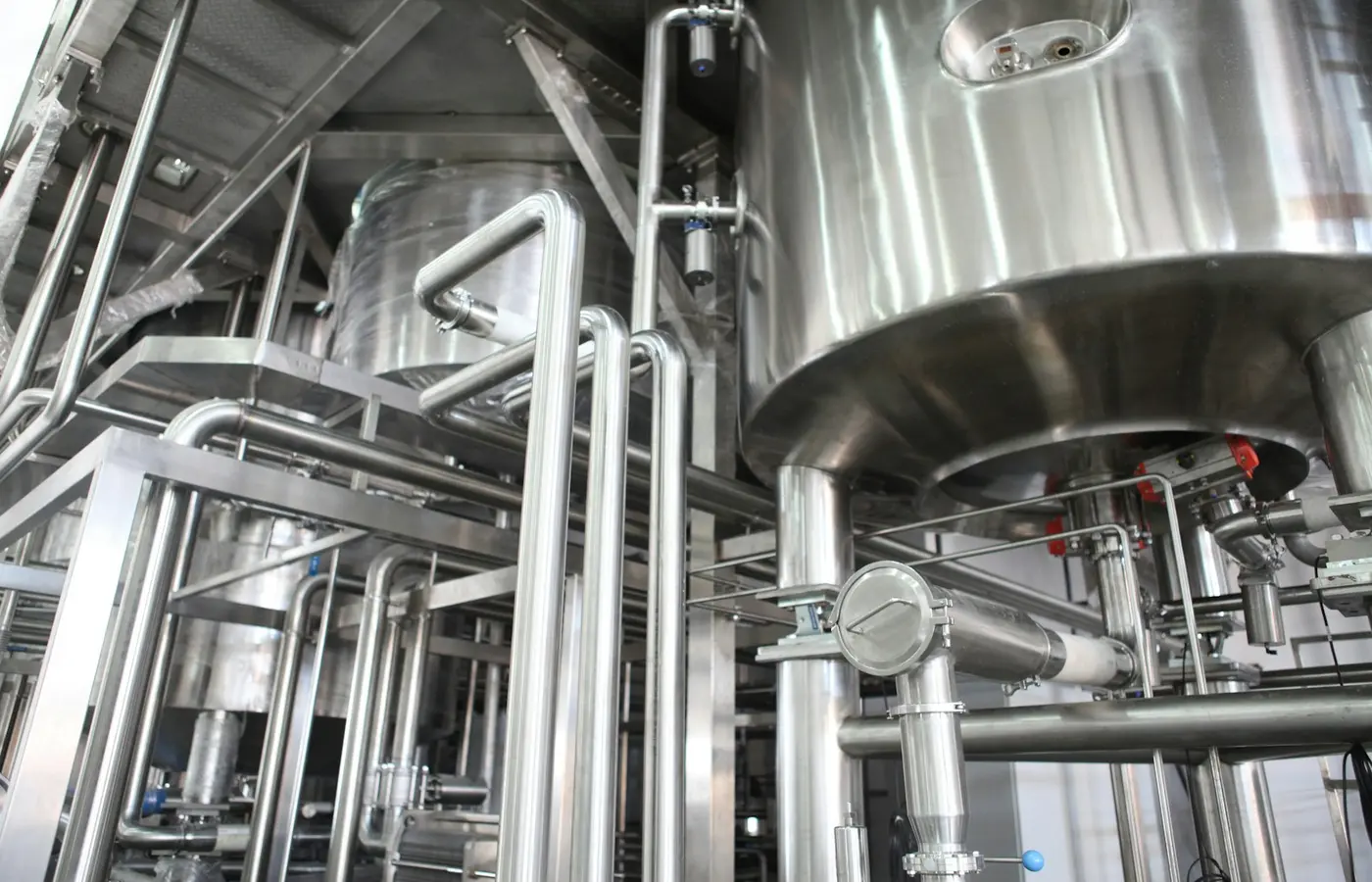
Choose a pump for viscous liquids by comparing corrected hydraulic performance, pressure control, inlet conditions, shear limits, and temperature range.
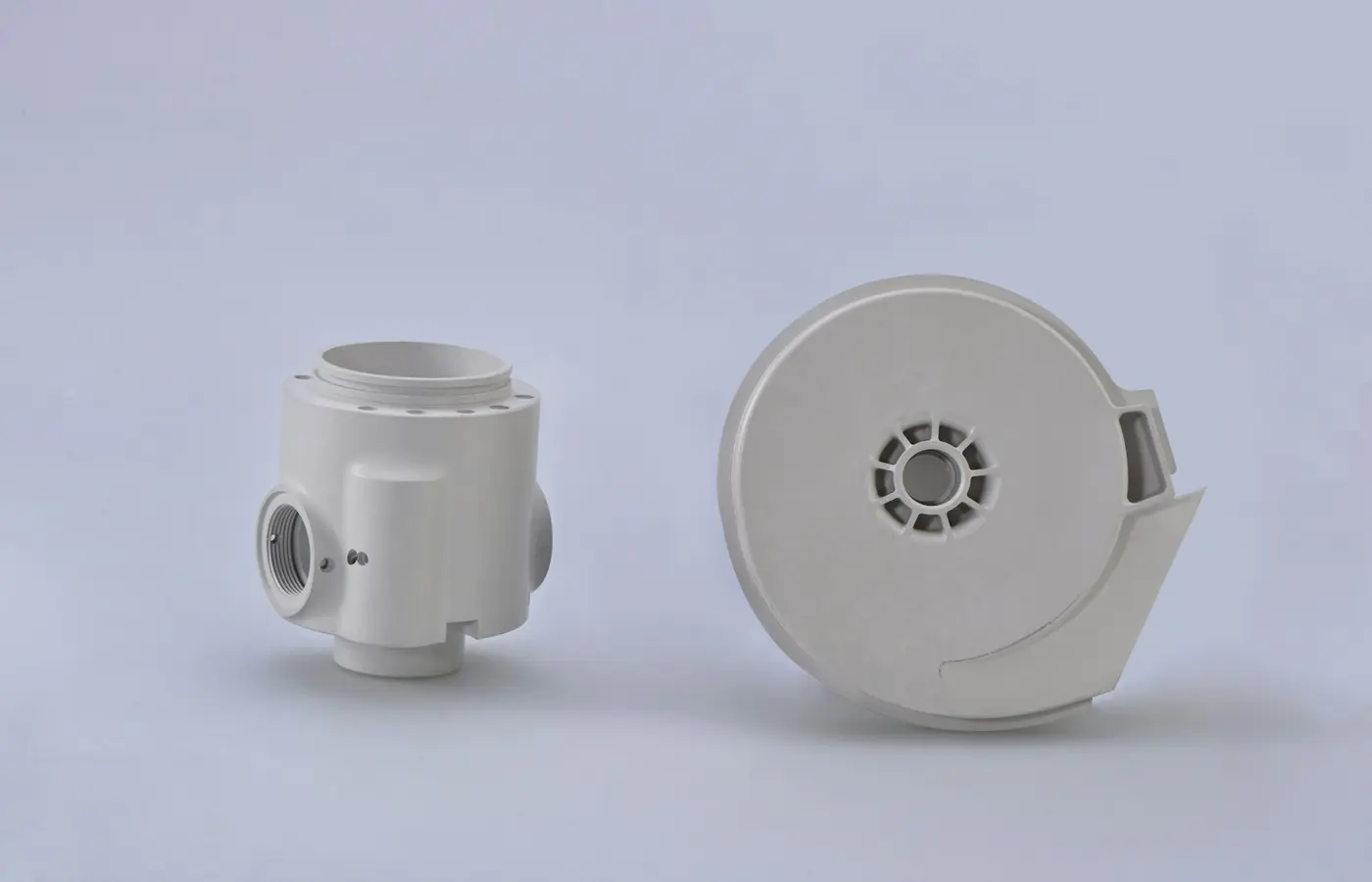
Select pump wetted materials by fluid chemistry, temperature, solids, hydraulic duty, and component-specific operating limits.
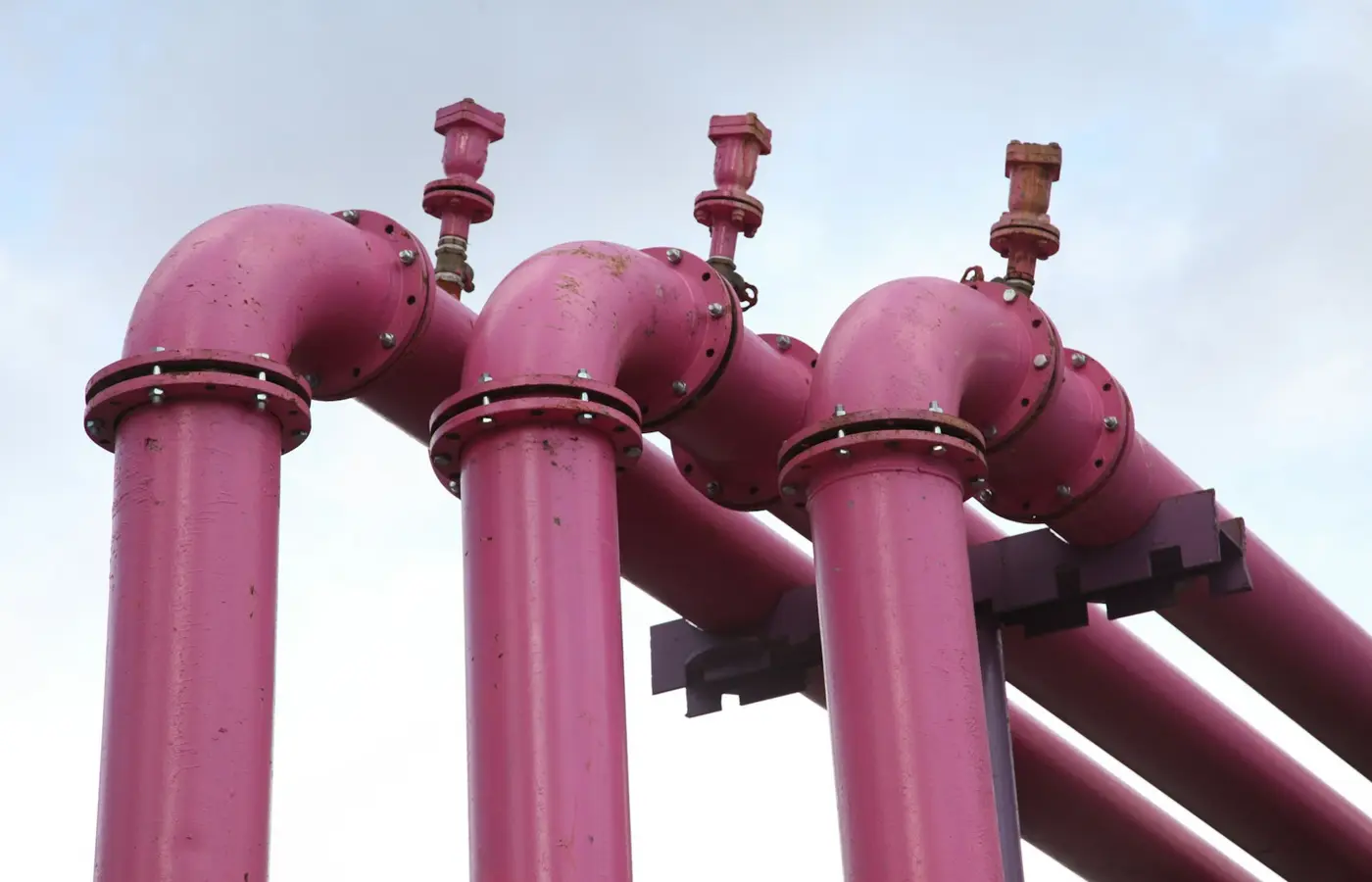
Calculate and compare NPSH available and required across the operating range, including temperature, suction losses, source level, and site pressure.
Learn how to compare centrifugal pump curves and system curves, identify the operating point, and check flow, head, power, NPSH, and operating limits.
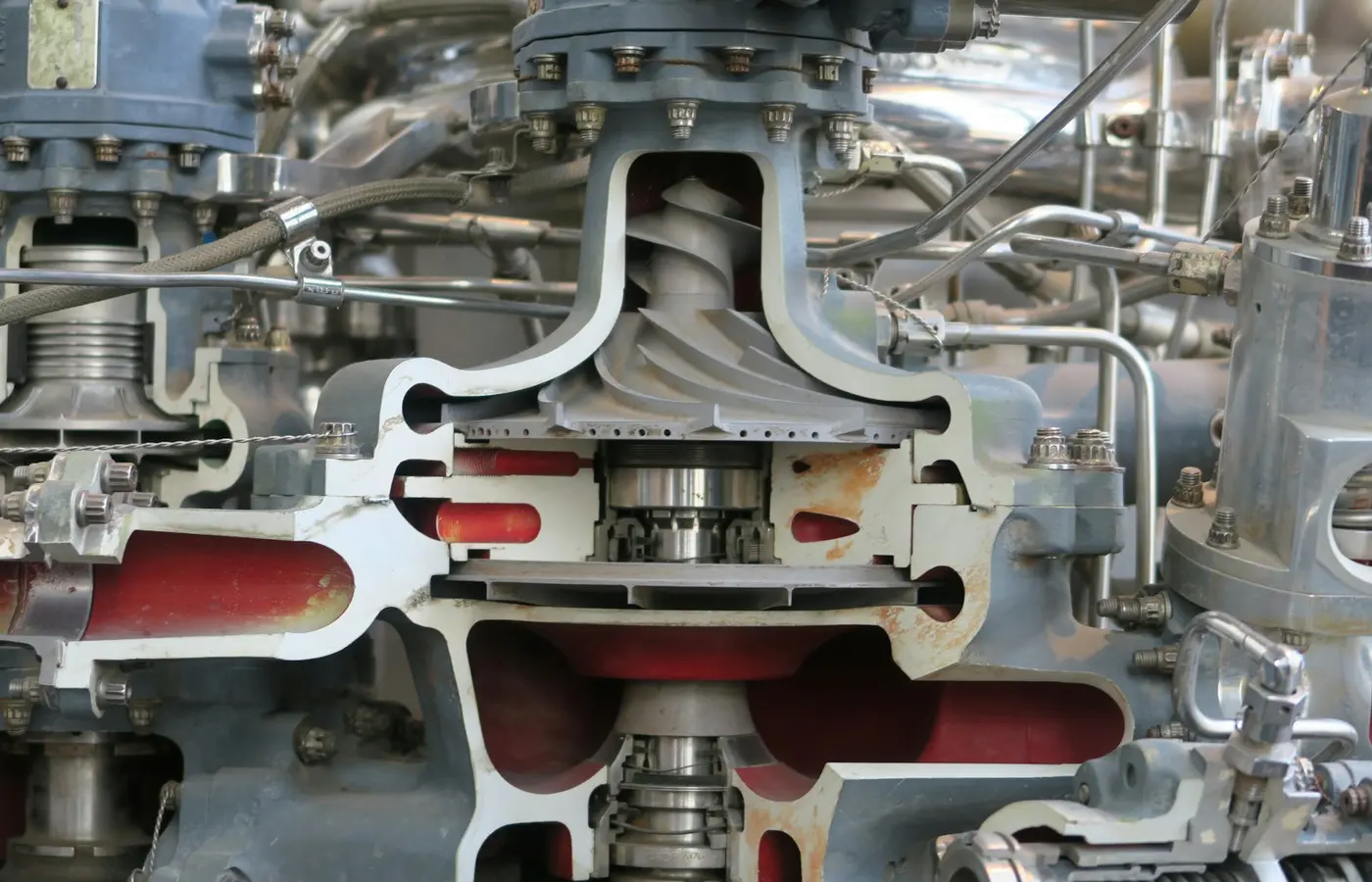
Specify a mechanical seal from actual seal-chamber duty, material compatibility, arrangement, shaft movement, and seal support requirements.
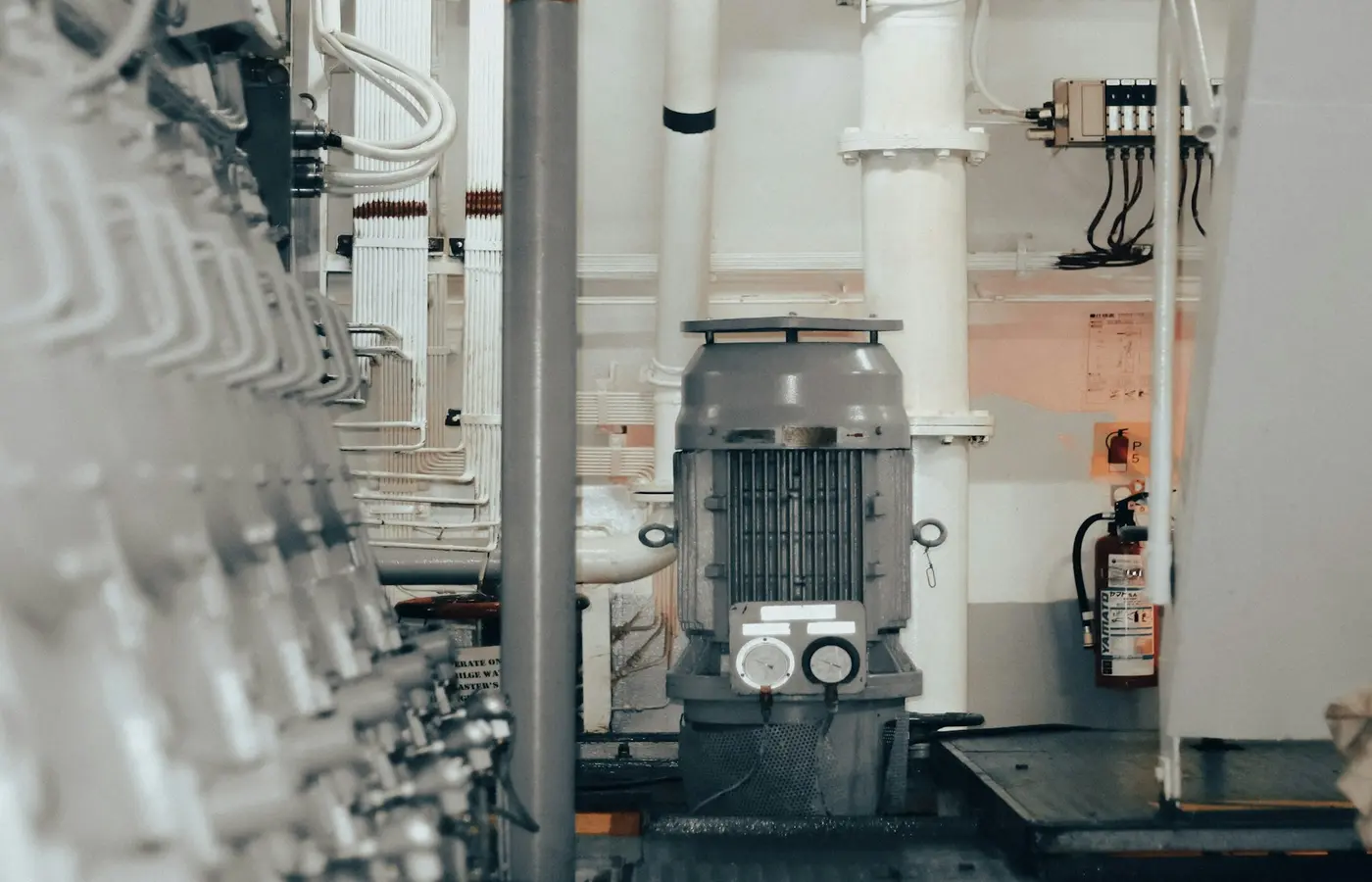
Choose between positive displacement and centrifugal pumps by comparing flow behavior, viscosity, pressure response, control, and suction conditions.
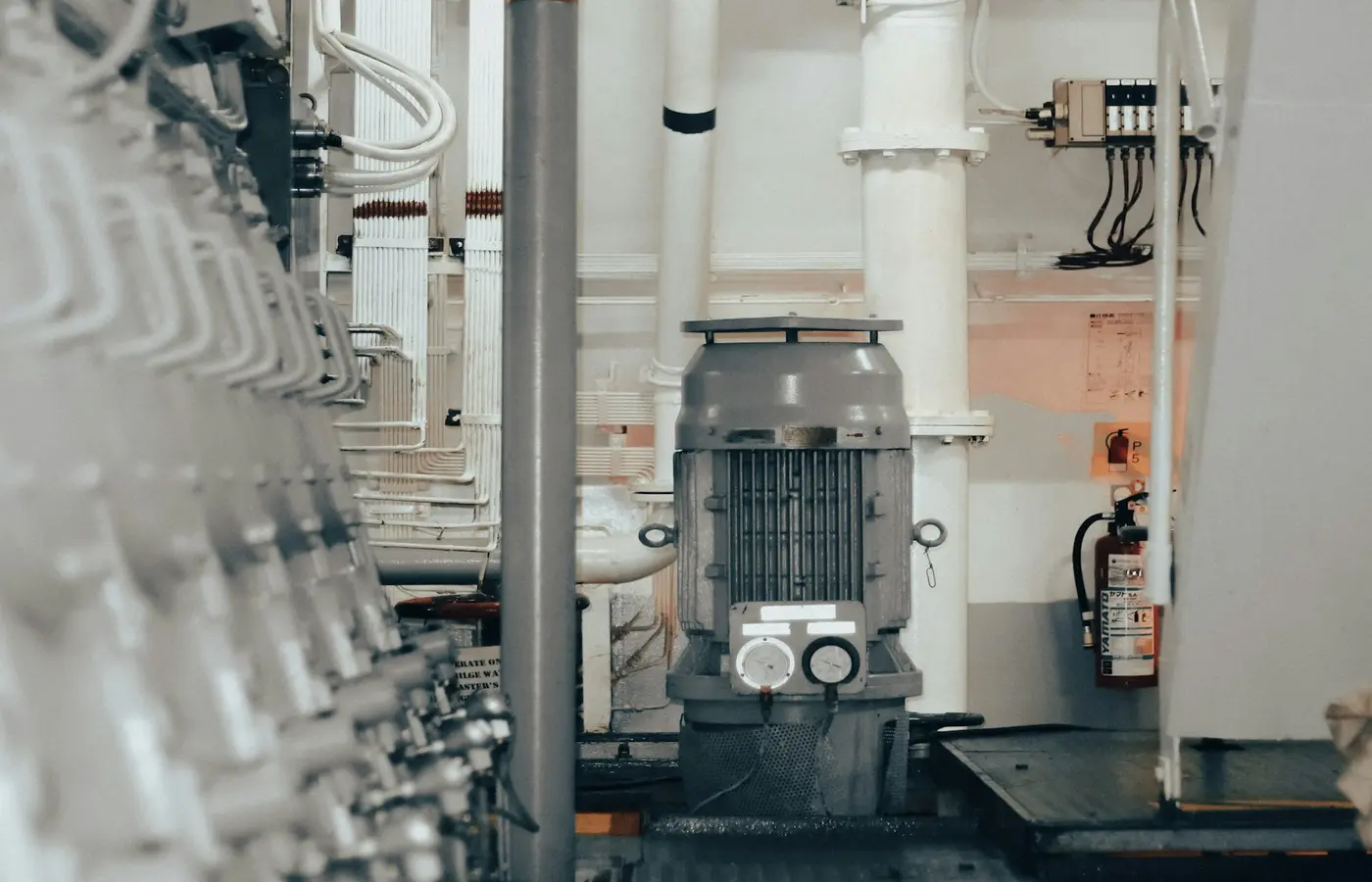
Calculate available NPSH, interpret pump curves, inspect suction conditions, and verify corrective actions before centrifugal pump cavitation causes damage.
Learn how static head, system resistance, controls, pump speed, NPSH and operating limits determine a centrifugal pump’s real duty point.
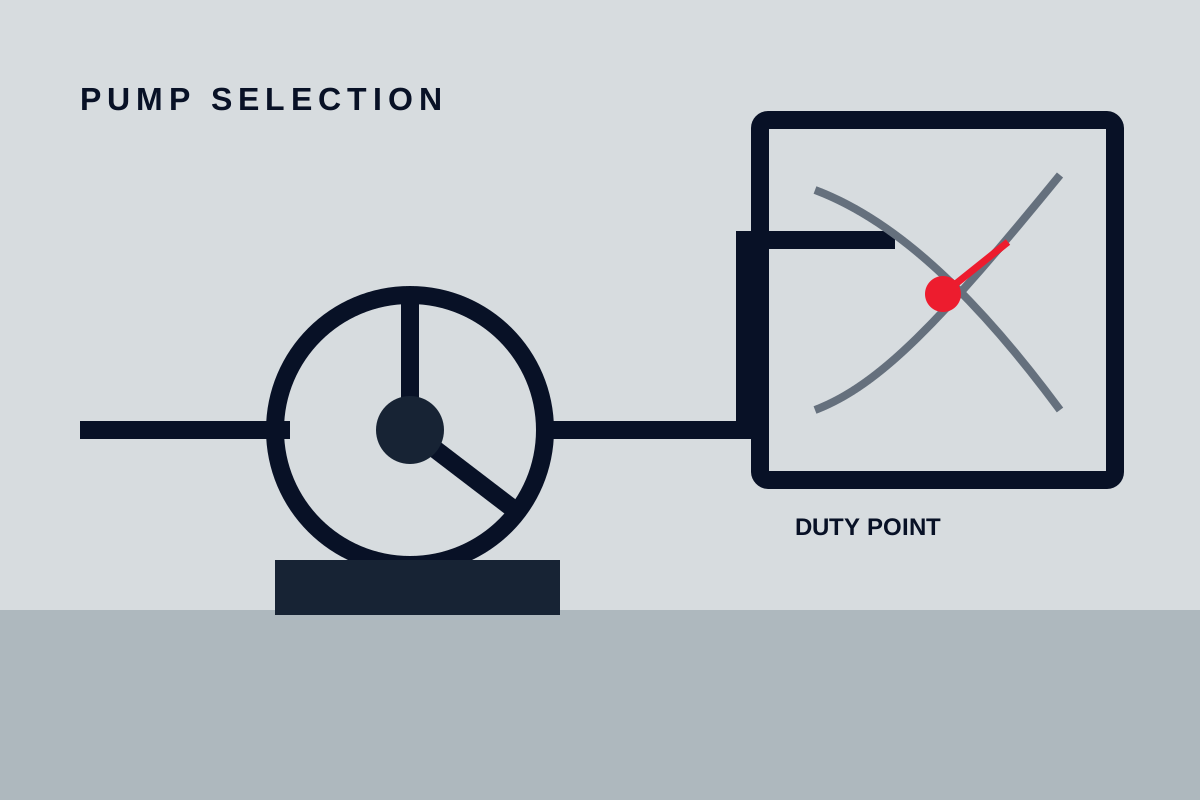
A practical method for selecting pump type, duty point, materials, seal arrangement and motor without relying on catalogue flow alone.
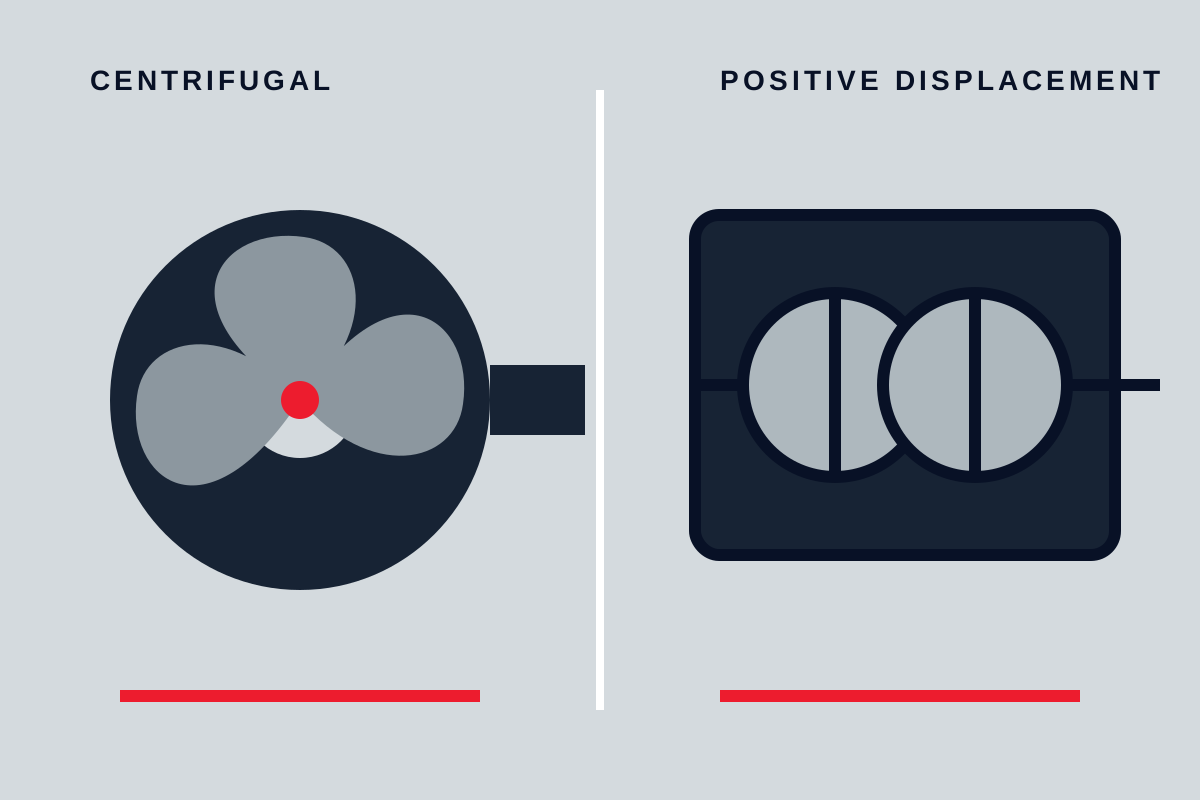
Compare centrifugal and positive displacement pumps by flow behaviour, pressure, viscosity, control, protection and typical service.
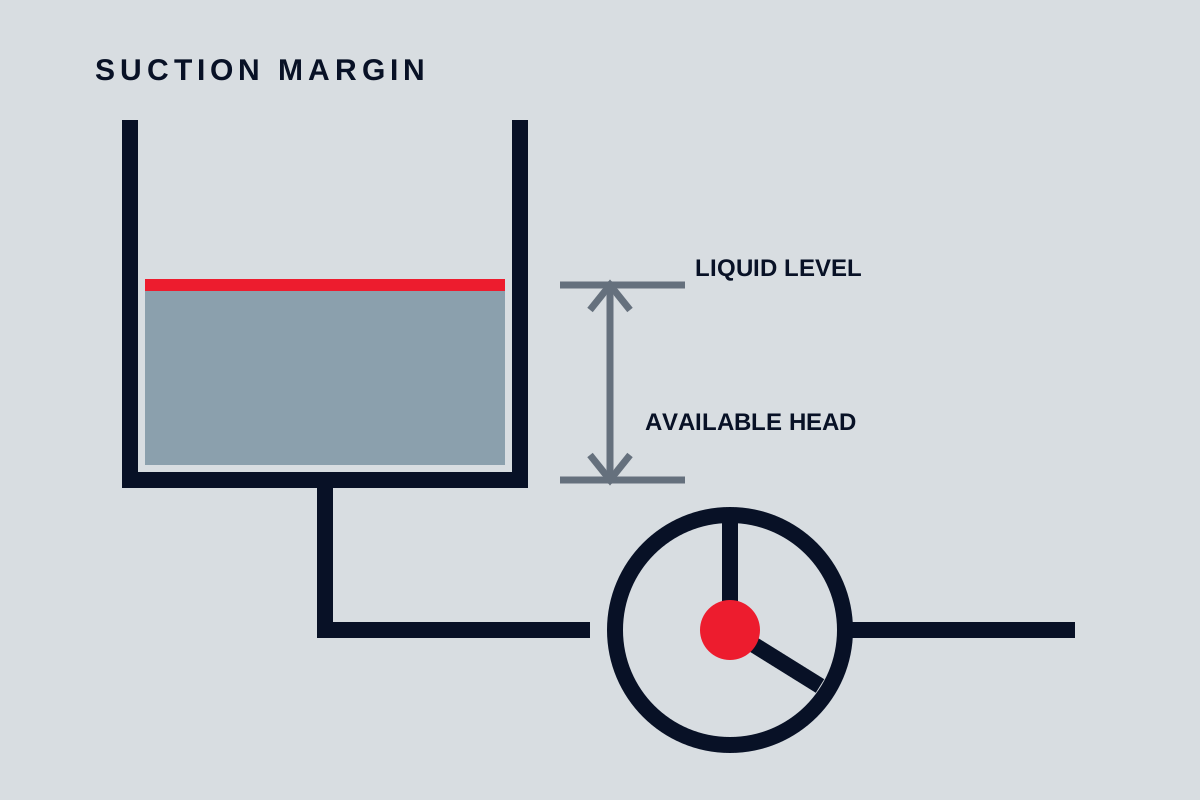
Understand available and required NPSH, cavitation risk and the installation details that protect pump suction performance.