

Pumps
How to Decide Whether Centrifugal Pumps Should Run in Series or Parallel
30 October 2026 - By Sino Industry Editorial Team

PRACTICAL KNOWLEDGE
Practical selection and comparison guides for engineers, buyers and industrial sourcing teams.
Pumps
30 October 2026 - By Sino Industry Editorial Team
Learn how to calculate and compare NPSHA and NPSHR across a centrifugal pump’s operating range and identify when engineering review is needed.
Select a locating and floating bearing arrangement by tracing axial loads, thermal growth, ring retention, fits, and available movement.
Specify C3 bearing clearance only when fits, temperature differences, or mounting conditions would reduce normal clearance too far in service.
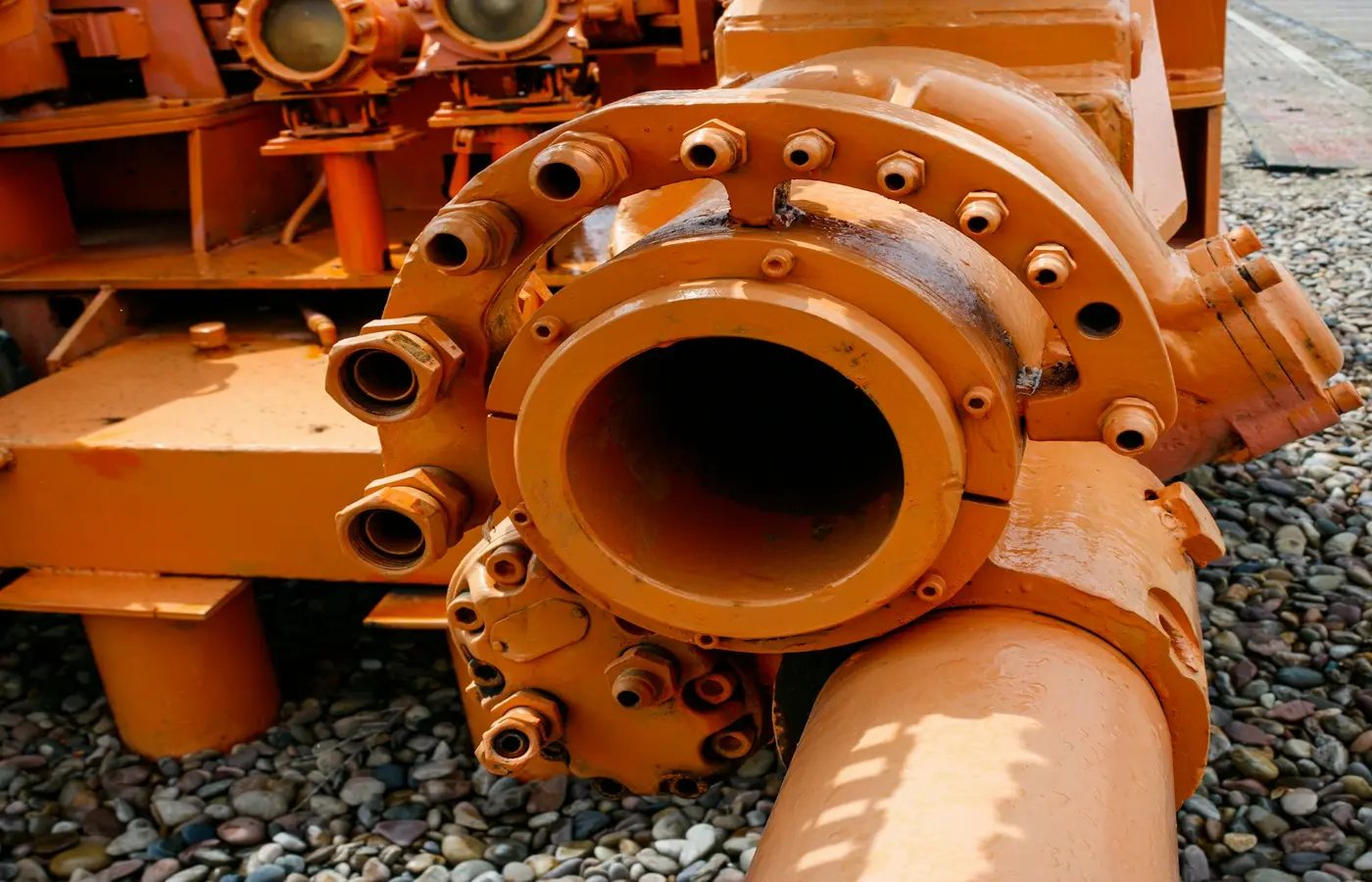
Select an abrasive slurry pump using measured solids data, corrected duty calculations, wear materials, sealing needs, and maintenance access.
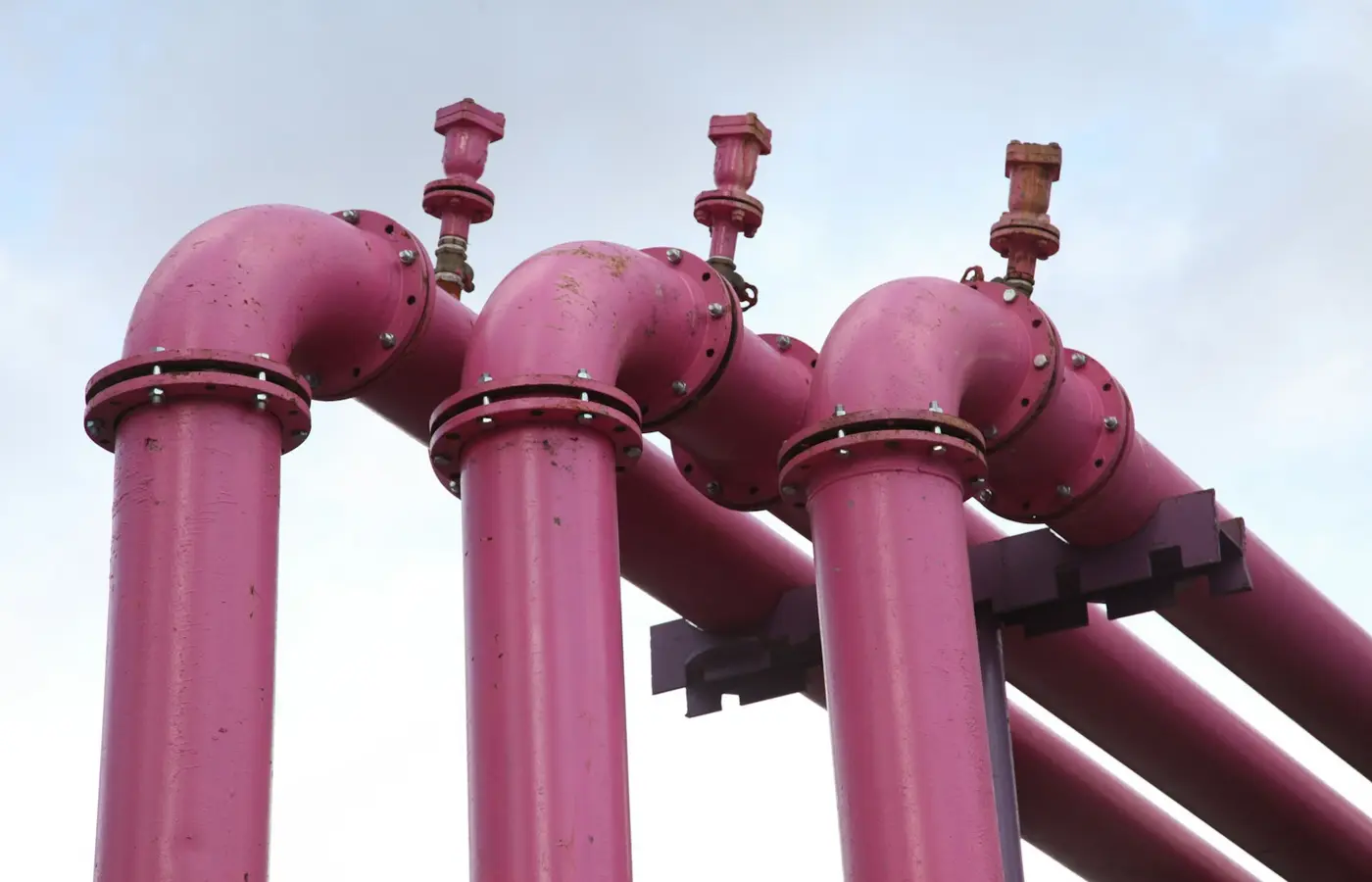
Compare flooded suction and suction lift using liquid level, NPSH, piping losses, priming needs, inlet pressure, and maintenance constraints.
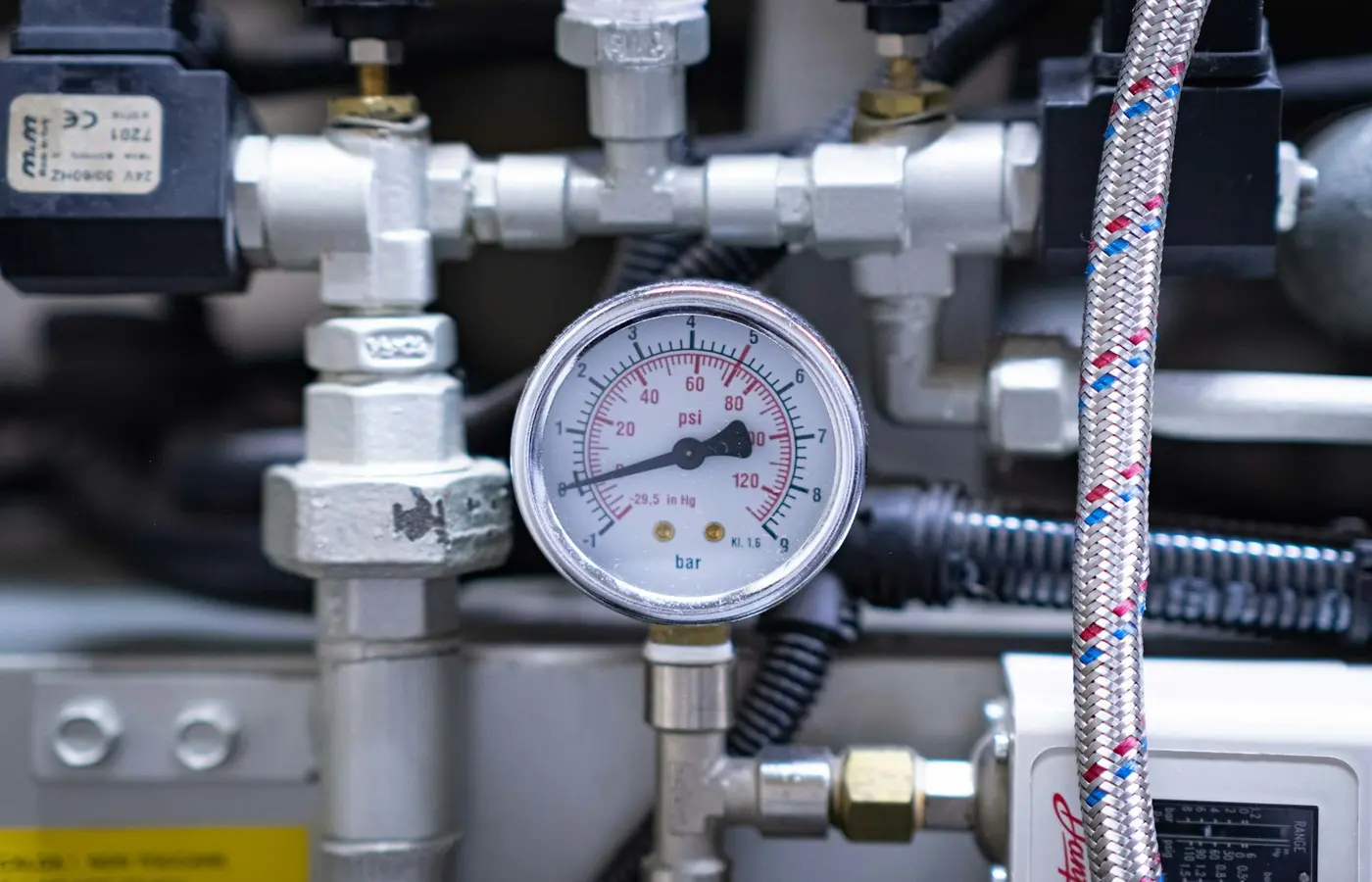
Select valve pressure class by checking the complete documented pressure-temperature rating, end connections, materials, and transient duty.

Select industrial bearing grease by load, speed, temperature, contamination, sealing and relubrication method—not NLGI grade alone.
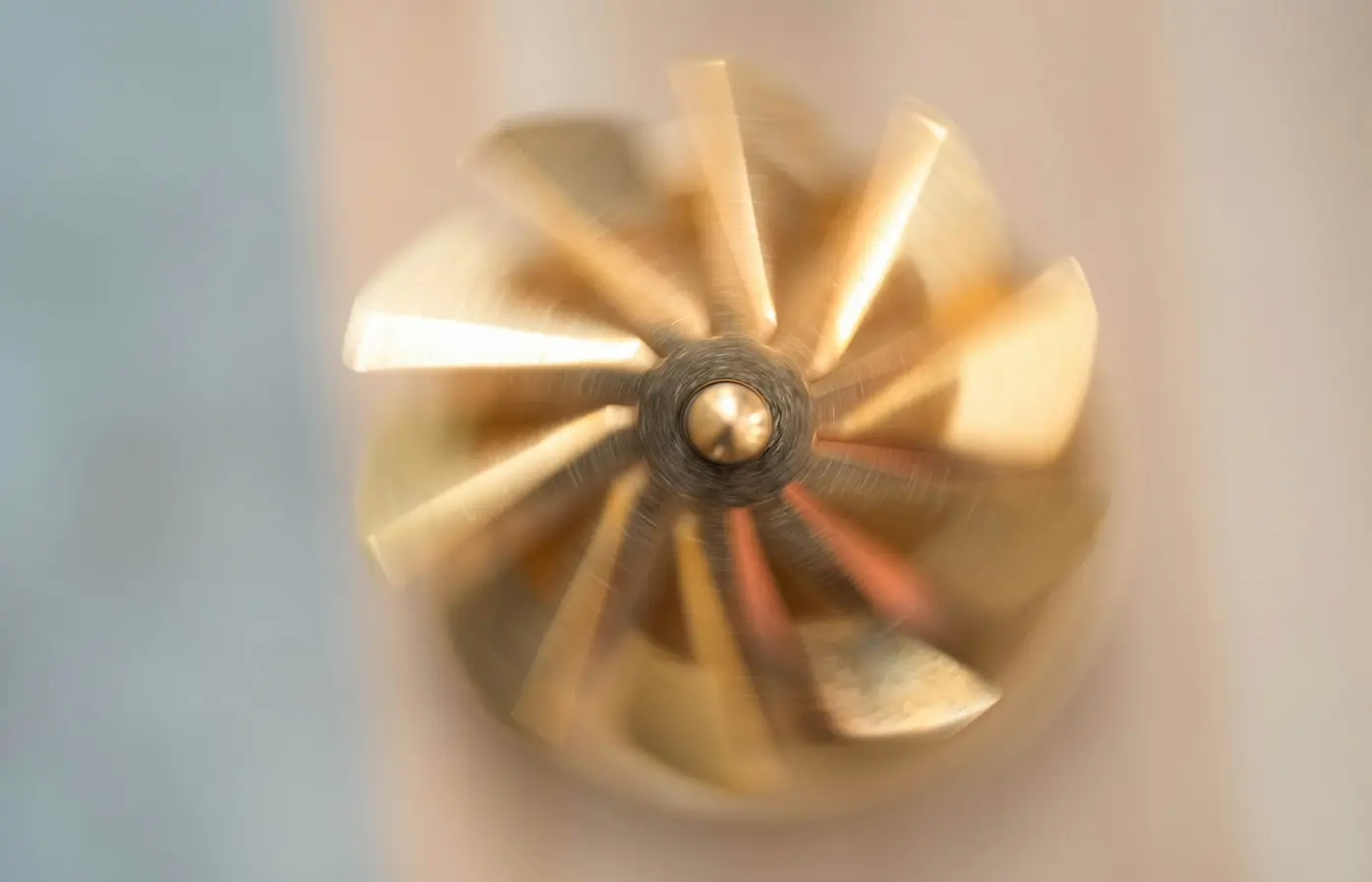
Select centrifugal pump impeller materials by evaluating liquid chemistry, temperature, solids, corrosion, erosion, hydraulic duty, and manufacturer limits.
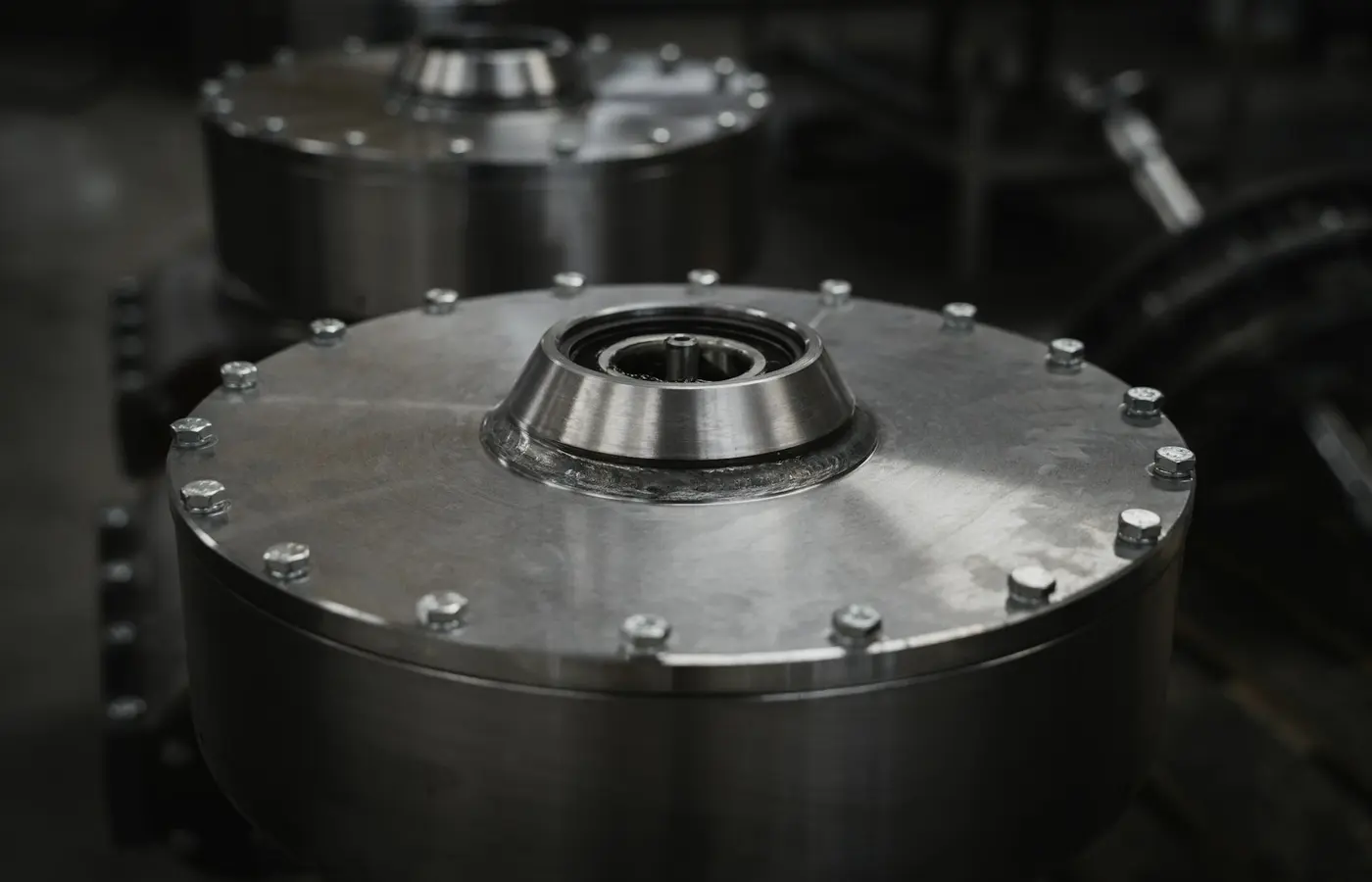
Select a gearbox output coupling by torque, speed, shaft connection, misalignment, torsional behavior, environment, and maintenance access.
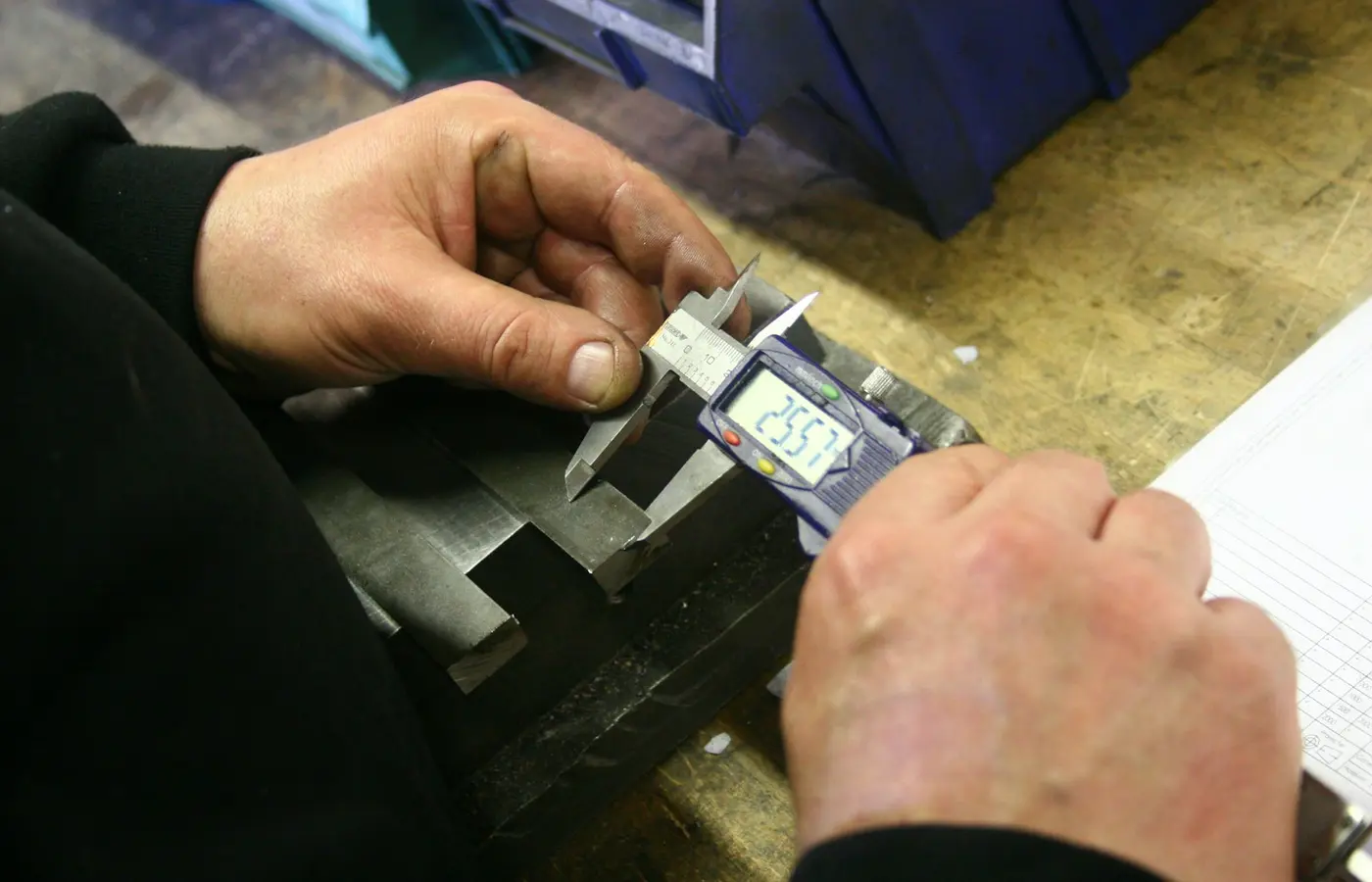
Learn how to verify identity, condition, test history, and duty suitability before accepting surplus industrial parts for installation.
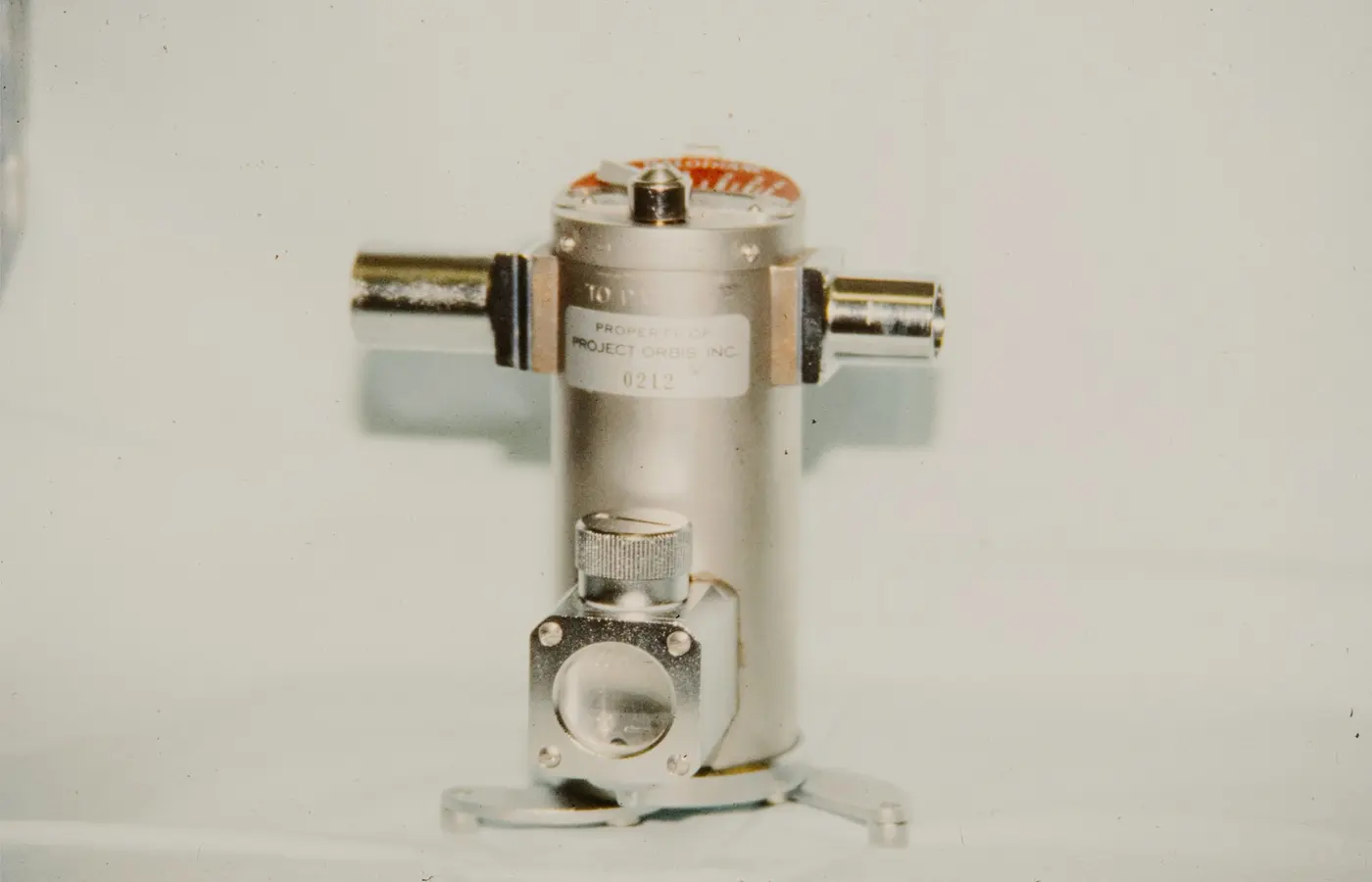
Choose fail open, fail closed, or fail in place by assessing process hazards, utility-loss scenarios, actuator capability, and test evidence.
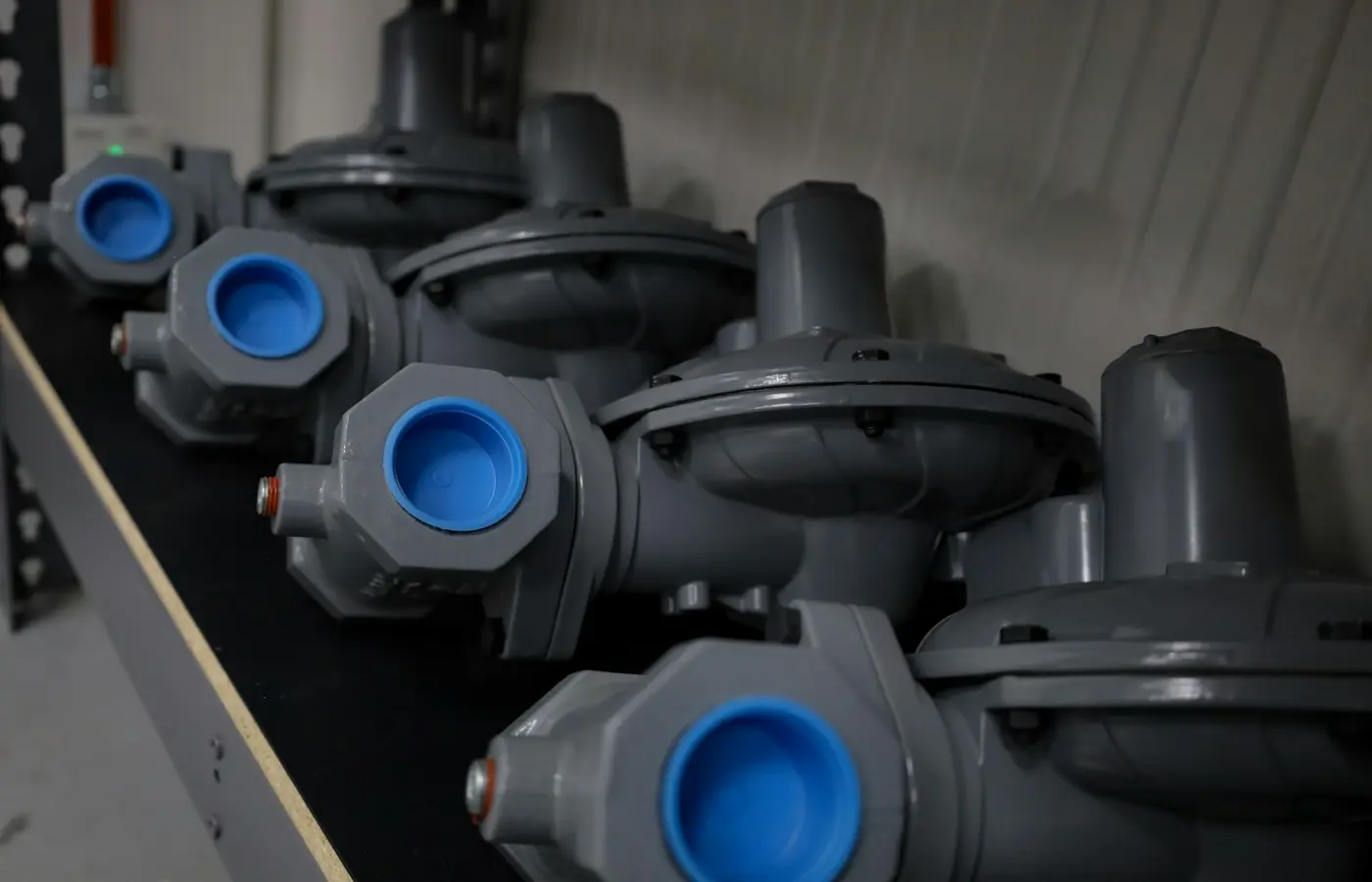
Compare ball, butterfly, gate, and globe valves by isolation, throttling, pressure drop, fluid conditions, shutoff needs, and maintenance access.
Set centrifugal pump minimum-flow protection using manufacturer limits, credible low-demand cases, recycle-duty calculations, and functional checks.
A practical checklist for confirming that instruments used in pre-shipment tests are suitable, traceable, and supported by valid evidence.
Compare VFDs, discharge throttling, and bypass control for centrifugal pumps using system curves, duty profiles, operating limits, and verification steps.

A practical method for reconciling supplier part numbers, drawing revisions, materials, and purchase-order requirements before release.
Select locating and floating bearing positions by defining thrust paths, thermal expansion, ring fits, retention features, and installation checks.
Compare single, dual unpressurized, and dual pressurized mechanical seal arrangements by leakage consequence, fluid duty, support systems, and maintenance capability.

Review supplier pre-shipment test evidence by checking acceptance criteria, serial traceability, actual results, deviations, instruments, and release approvals.

Define pre-shipment functional tests with measurable criteria, agreed test conditions, traceable records, and controlled deviation closure.
Select an industrial motor enclosure by matching dust, water, washdown, cooling, materials, and installation conditions to documented motor limits.
A practical process for checking certification marks, approval scope, and official records before releasing industrial equipment for installation.
Choose grease or oil for rolling bearings by comparing speed, heat, contamination, sealing, maintenance access, and system design.
Choose a pump for viscous liquids by comparing corrected hydraulic performance, pressure control, inlet conditions, shear limits, and temperature range.
Select shaft and housing bearing fits by evaluating ring load, temperature, materials, accuracy, axial movement, and safe assembly method.
Select pump wetted materials by fluid chemistry, temperature, solids, hydraulic duty, and component-specific operating limits.
Select industrial fastener materials and coatings by evaluating corrosive exposure, joint design, strength, temperature, installation and verification needs.
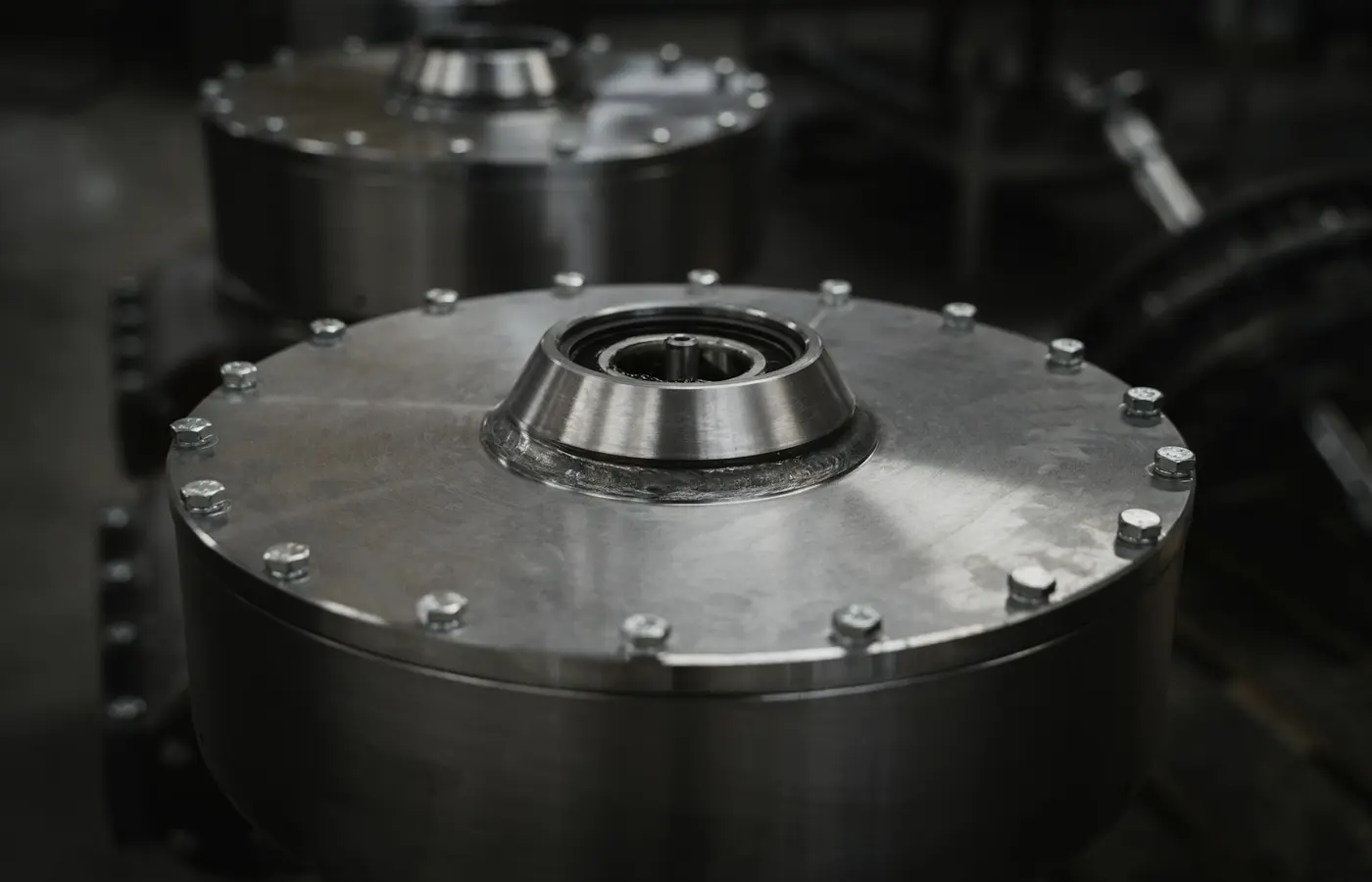
Select rigid, flexible, or fluid couplings by torque, speed, alignment, torsional duty, environment, and maintenance access.

A practical sequence for checking a supplier certificate’s issuer, validity, legal entity, site, scope, and connection to a specific order.
Calculate and compare NPSH available and required across the operating range, including temperature, suction losses, source level, and site pressure.

Learn how to compare centrifugal pump curves and system curves, identify the operating point, and check flow, head, power, NPSH, and operating limits.
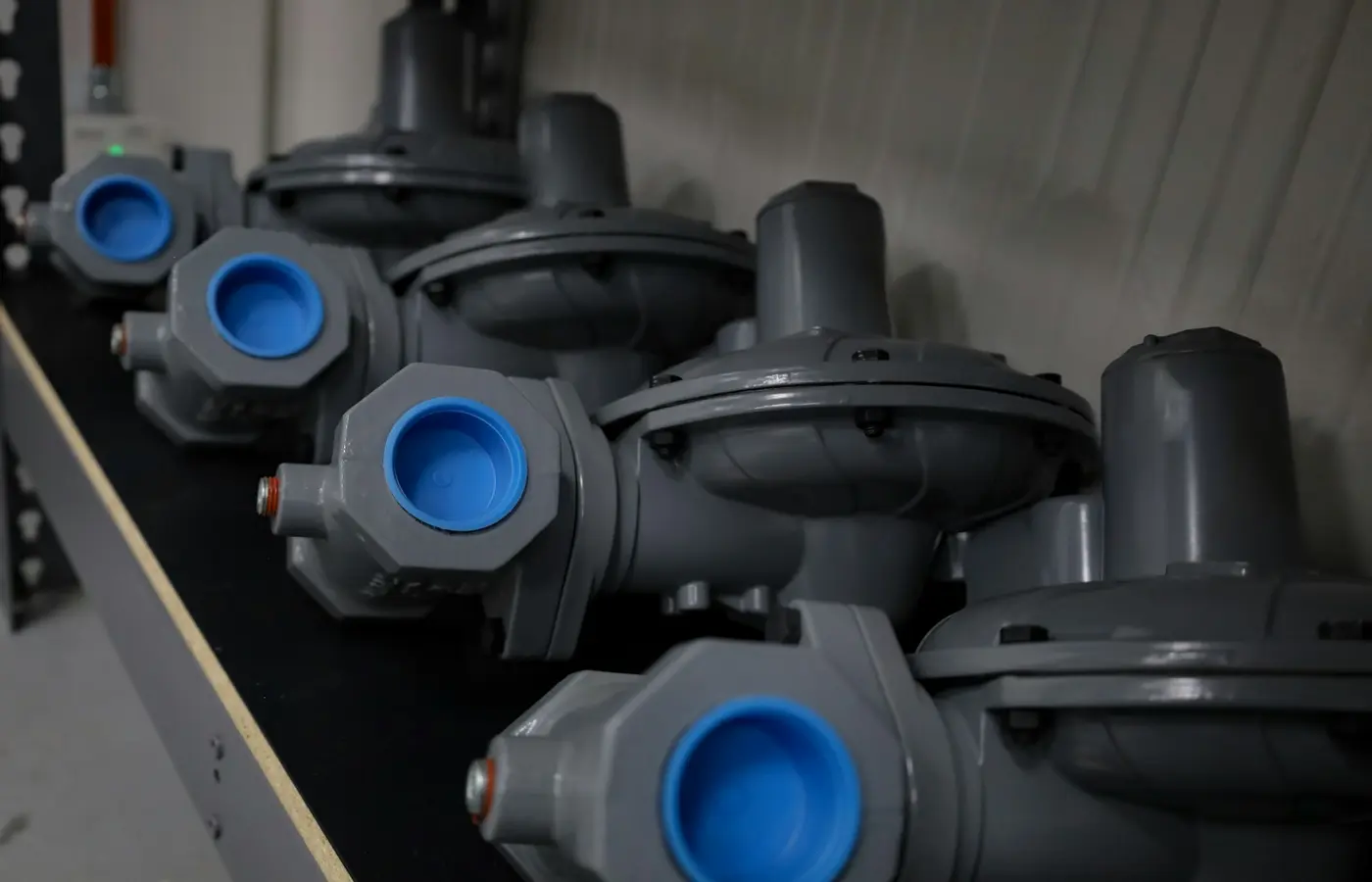
A practical method for sizing industrial valve actuators by valve demand, utility conditions, fail position, controls, and manufacturer data.
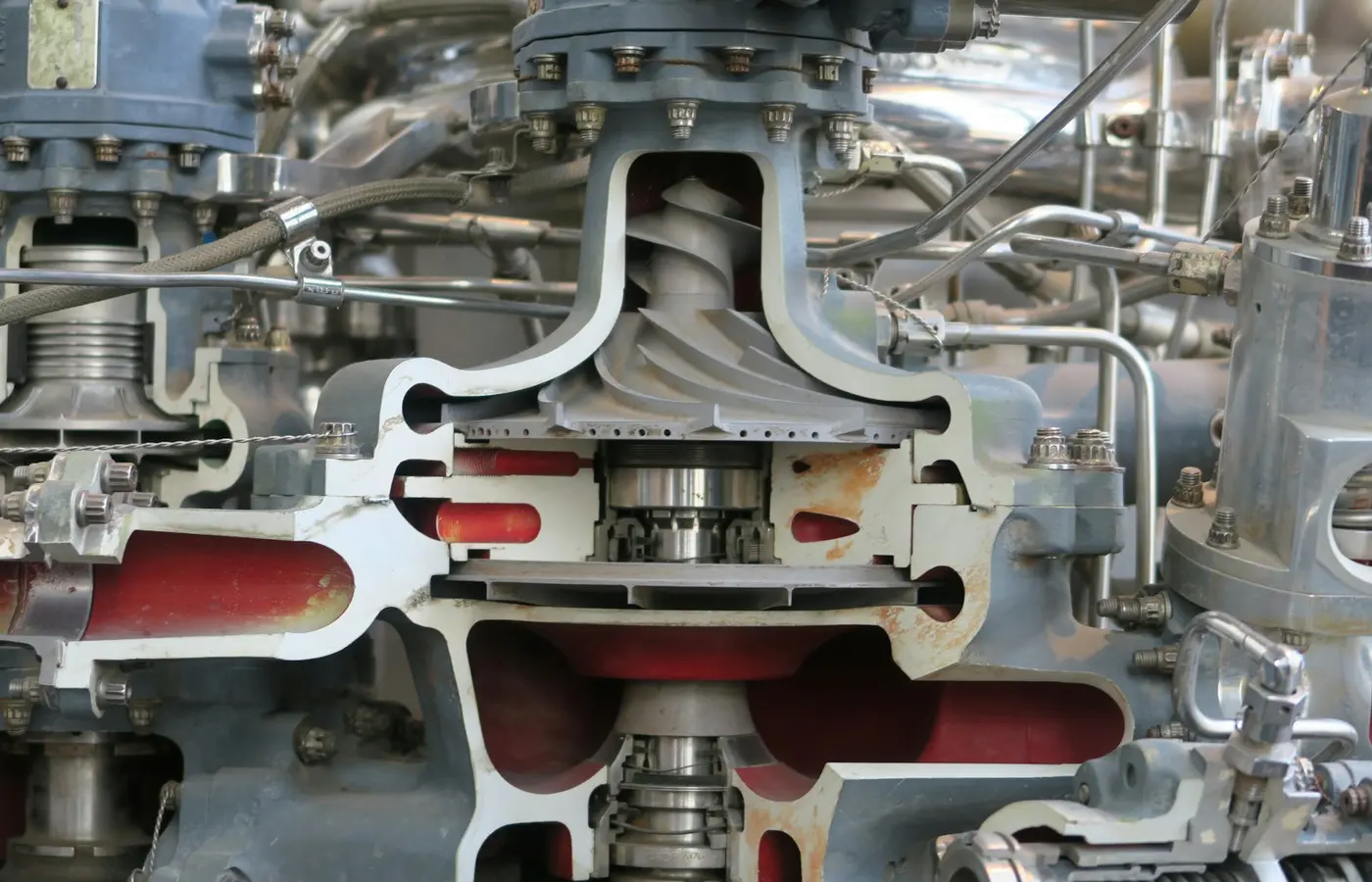
Specify a mechanical seal from actual seal-chamber duty, material compatibility, arrangement, shaft movement, and seal support requirements.

A practical process for specifying, qualifying, inspecting, and accepting industrial control valves sourced from China.

Define supplier pre-shipment functional tests with measurable limits, required records, deviation control, and clear shipment-release authority.
Select an industrial gearbox by calculating speed and torque requirements, then checking duty cycle, thermal limits, mounting, shaft loads, and maintenance.
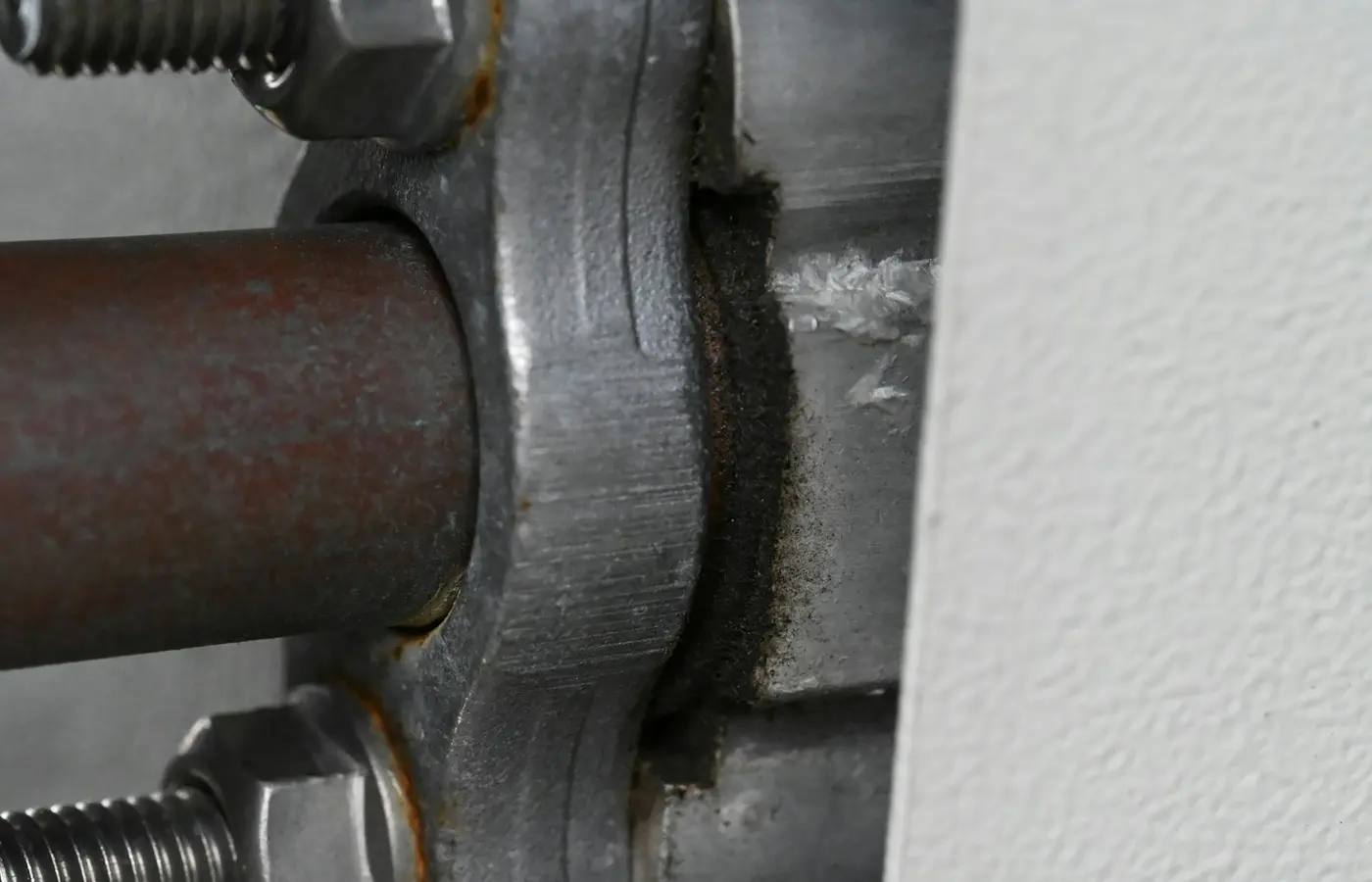
Learn how to distinguish common bearing failure types from operating symptoms and surface evidence without mistaking screening clues for a confirmed diagnosis.
Compare AC and DC motors for variable-speed drives by duty, torque, control, braking, maintenance, environment, and retrofit requirements.
Compare gate and globe valves by flow path, isolation and throttling duty, pressure loss, fluid service, actuator sizing, and maintenance needs.
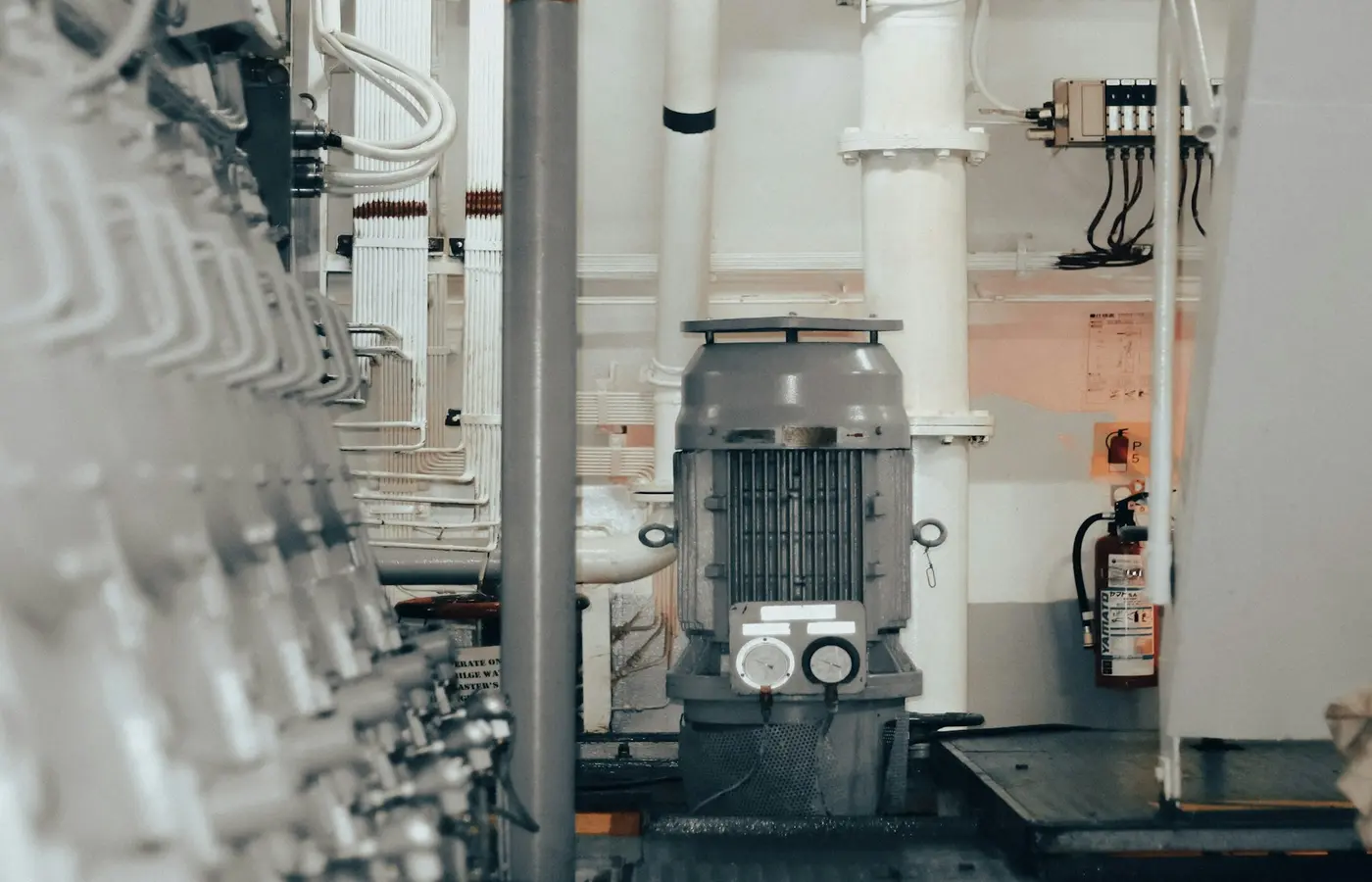
Choose between positive displacement and centrifugal pumps by comparing flow behavior, viscosity, pressure response, control, and suction conditions.
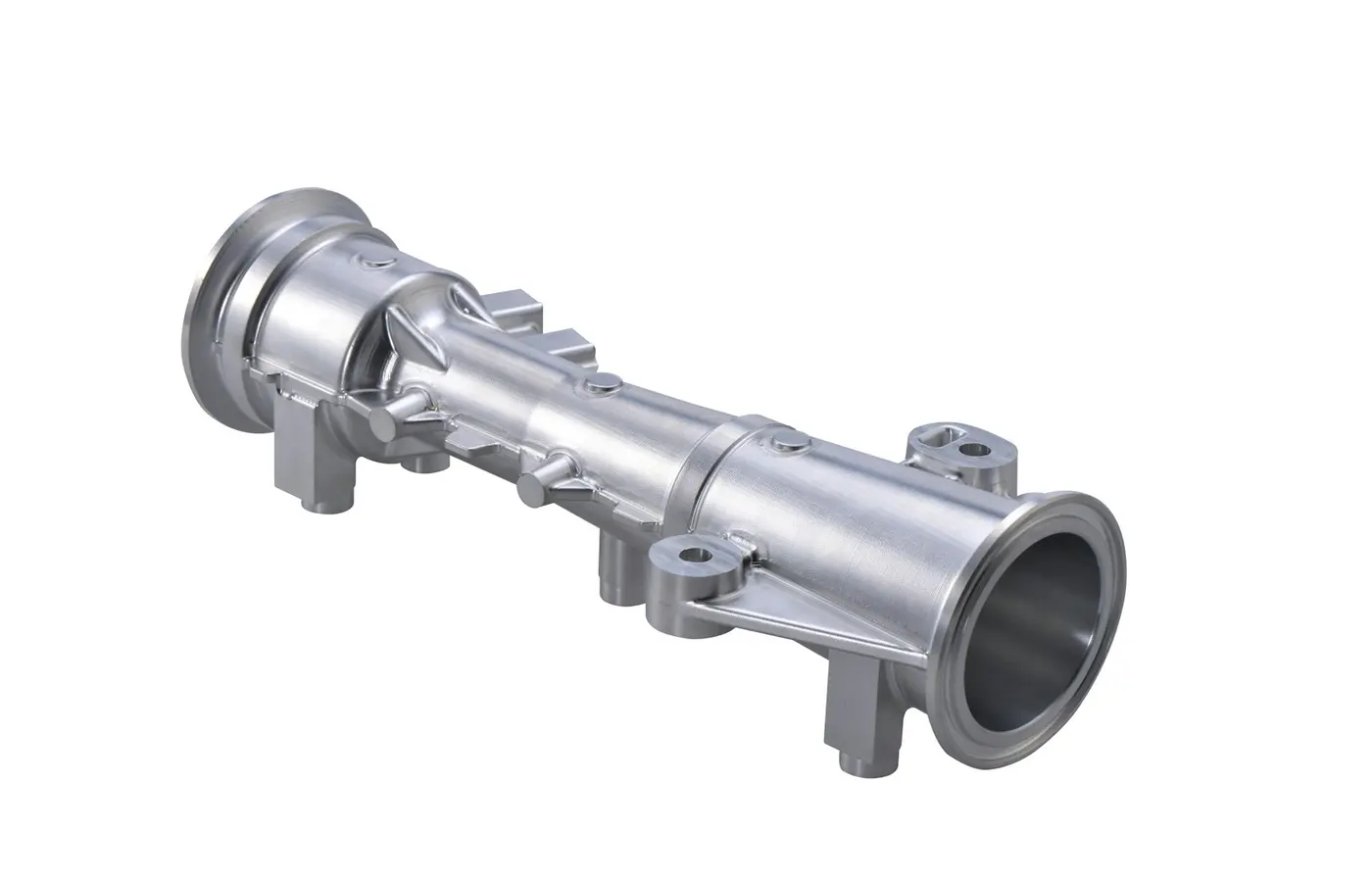
Select bearing shaft and housing fits by load direction, temperature, support stiffness, internal clearance, and mounting constraints.
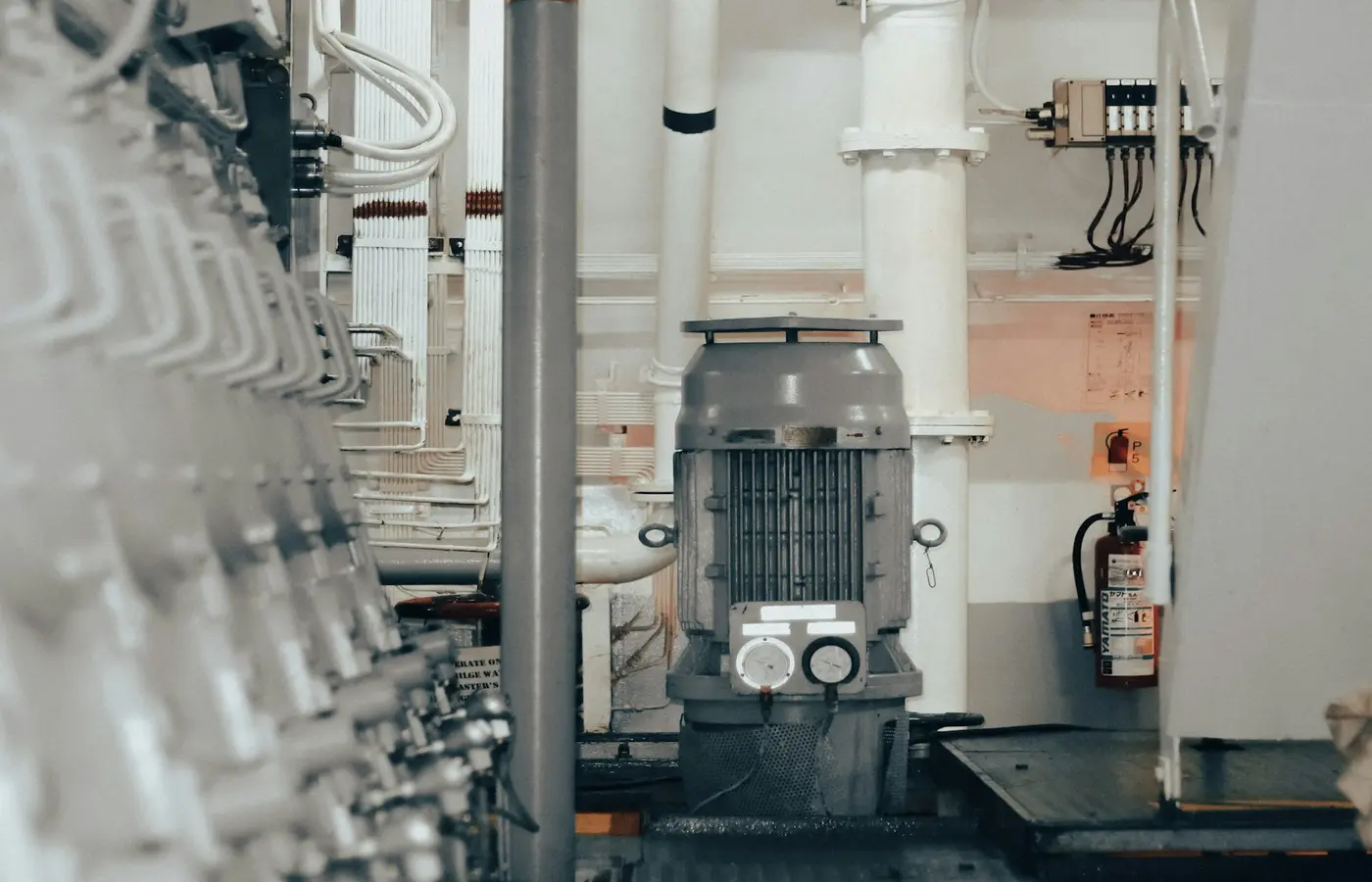
Calculate available NPSH, interpret pump curves, inspect suction conditions, and verify corrective actions before centrifugal pump cavitation causes damage.
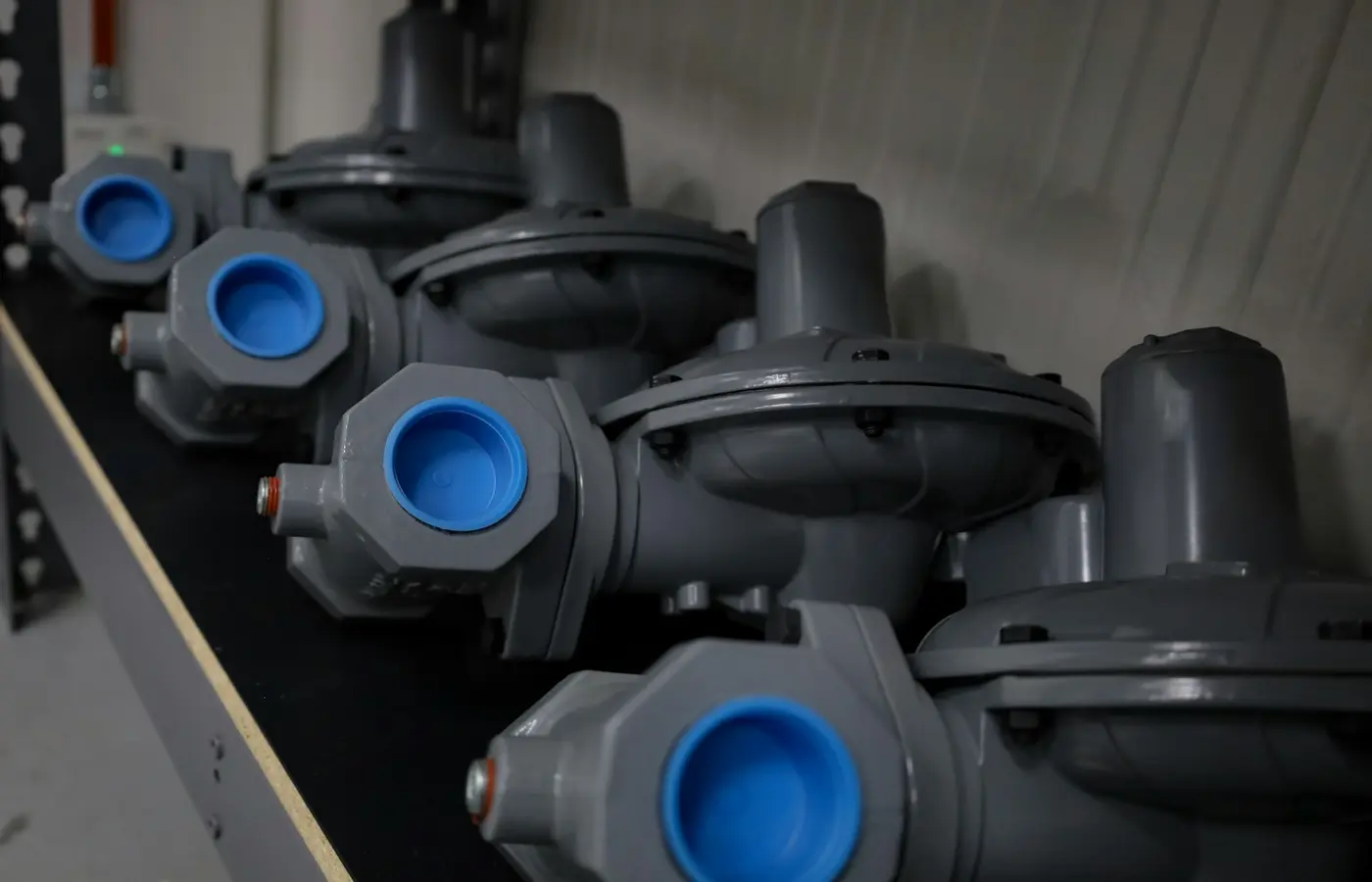
Select a pneumatic, electric, or hydraulic valve actuator by checking load, fail action, duty, utilities, controls, environment, and acceptance tests.

Learn how static head, system resistance, controls, pump speed, NPSH and operating limits determine a centrifugal pump’s real duty point.
Select a pump mechanical seal by checking fluid compatibility, seal-chamber duty, dry-run risk, arrangement, support system, and supplier documents.
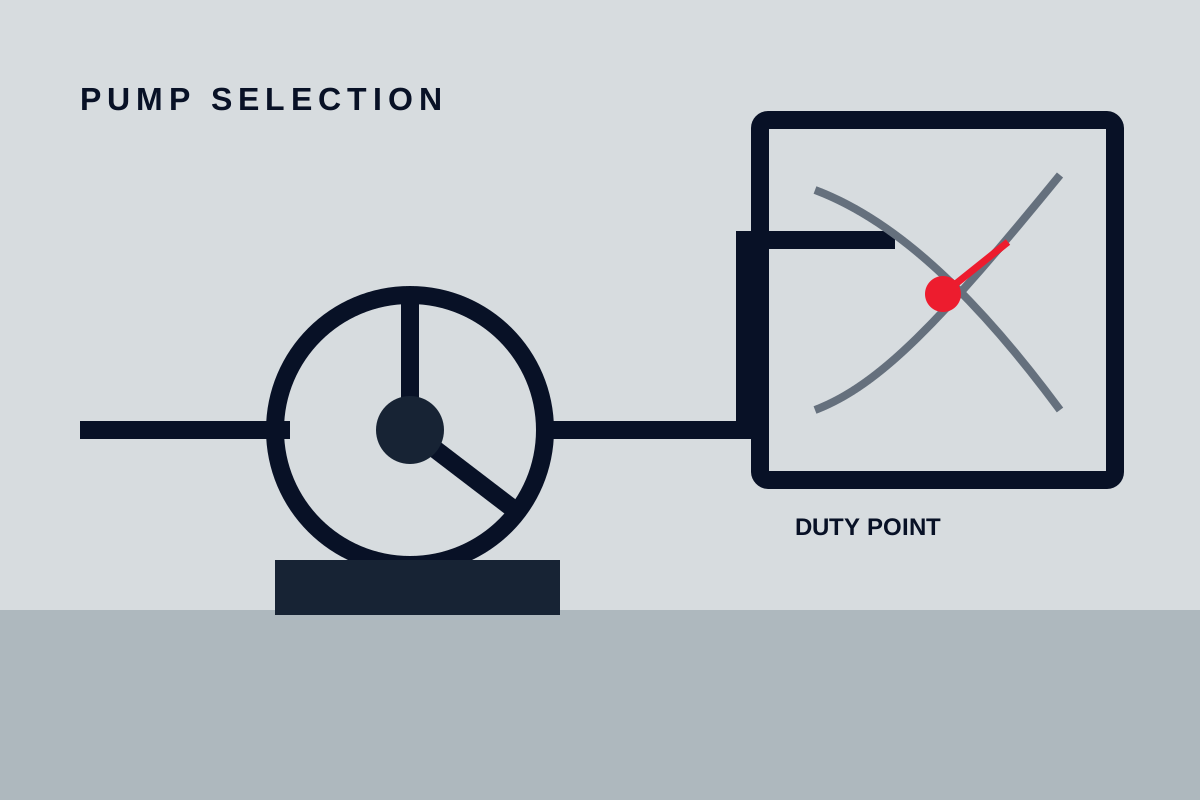
A practical method for selecting pump type, duty point, materials, seal arrangement and motor without relying on catalogue flow alone.
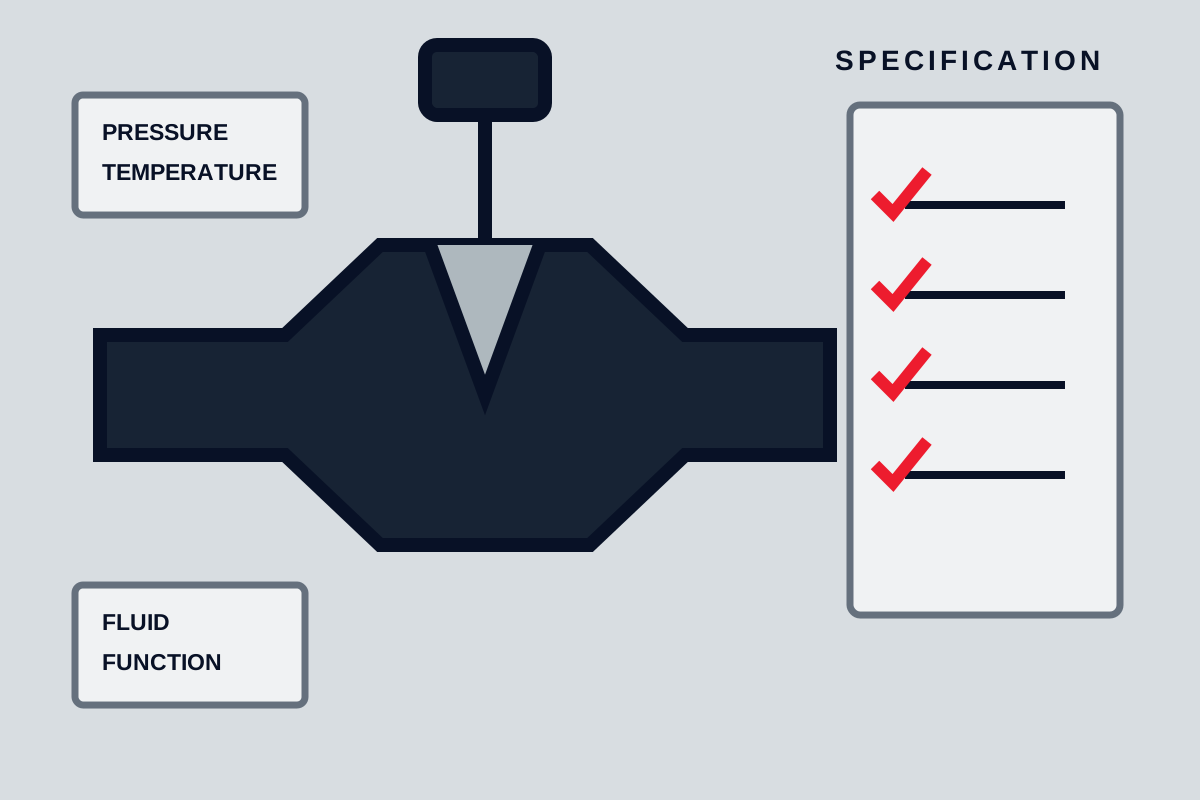
Select an industrial valve by function, fluid, pressure, temperature, materials, actuation and maintainability.
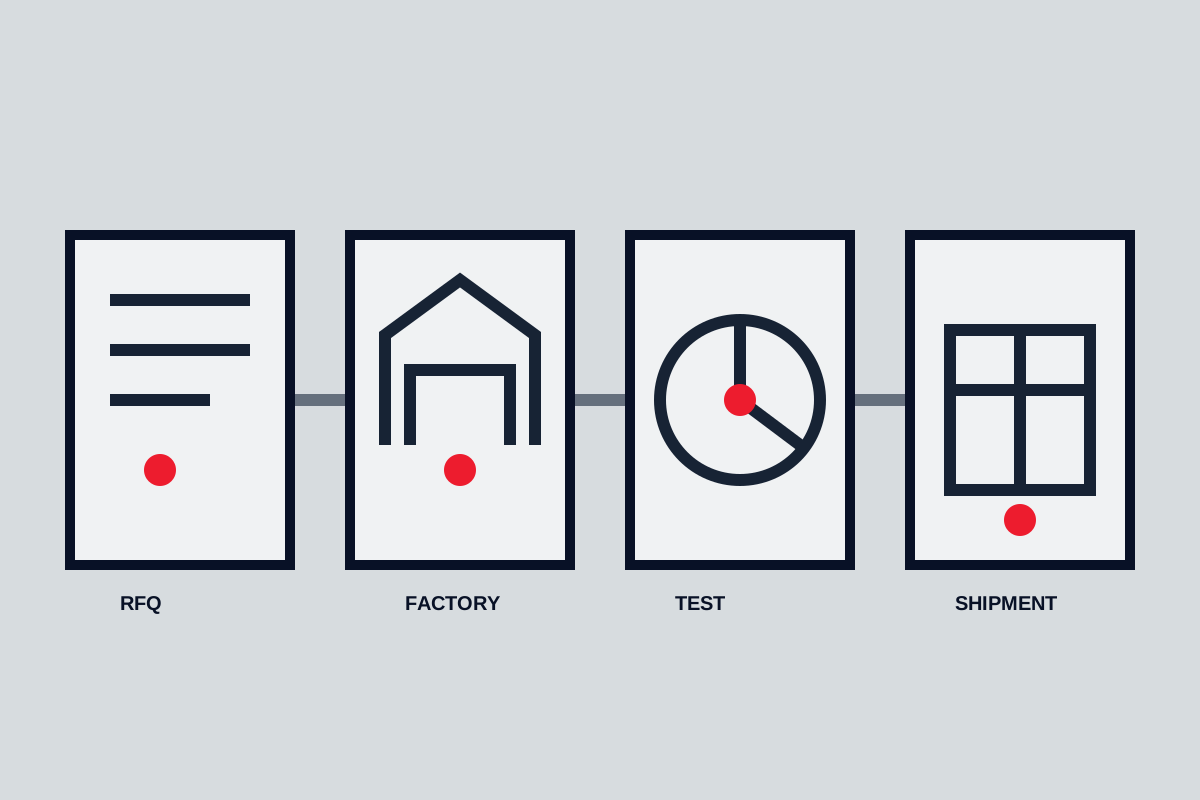
Build a pump sourcing process around duty data, manufacturer capability, documentation, inspection and acceptance tests.
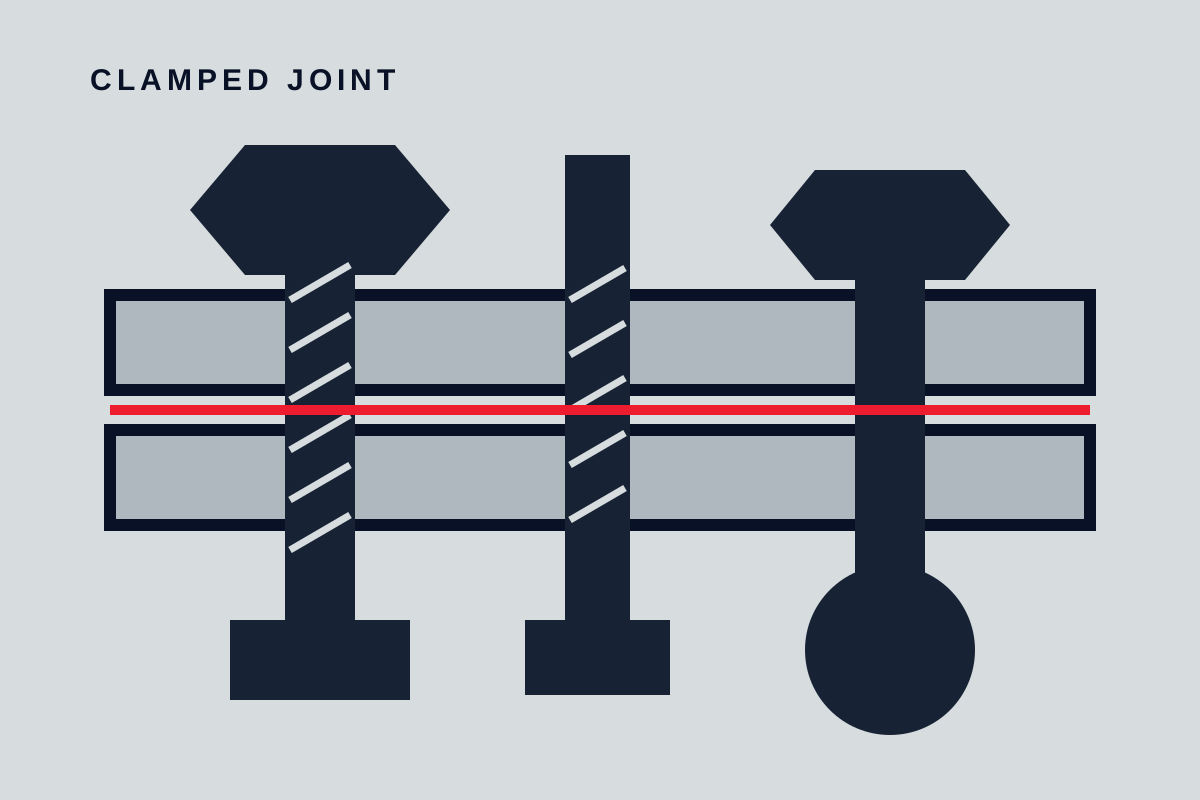
Understand bolts, screws, studs, nuts, washers and locking methods by load, joint design, material and service.
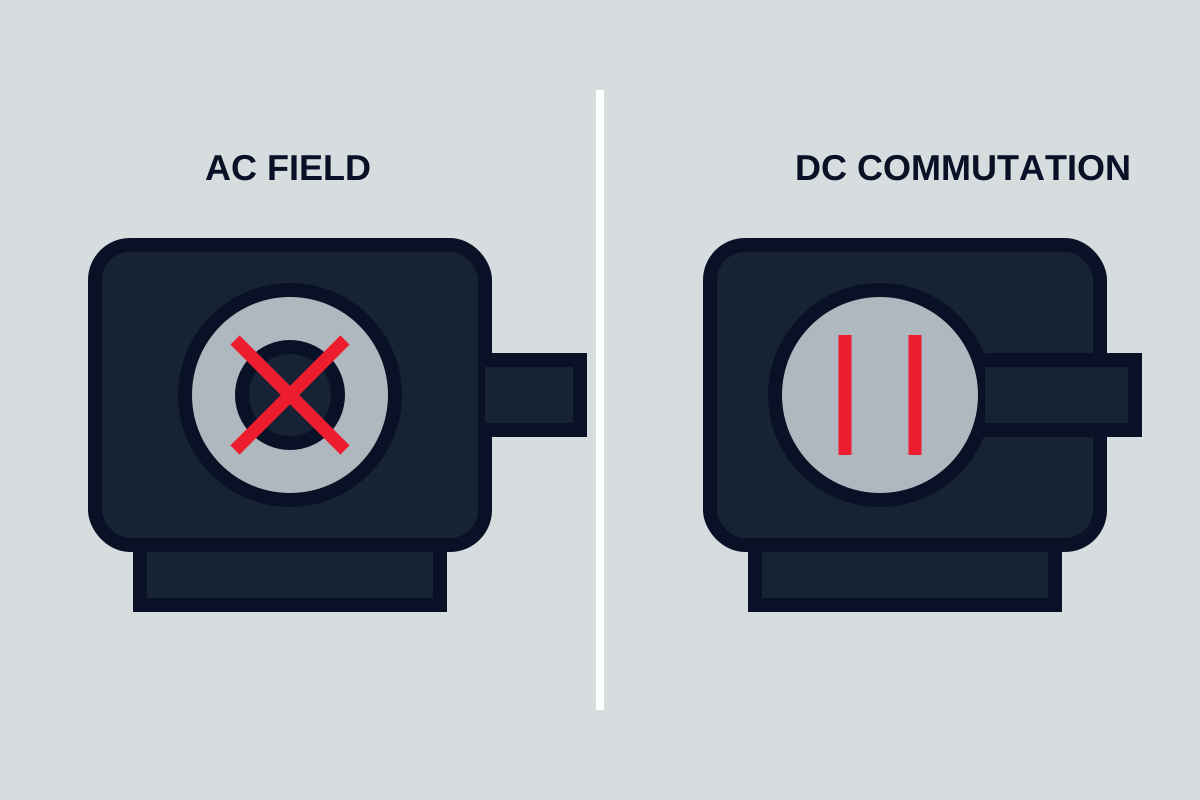
Compare industrial AC and DC motors by speed control, torque, maintenance, drives, efficiency and application requirements.
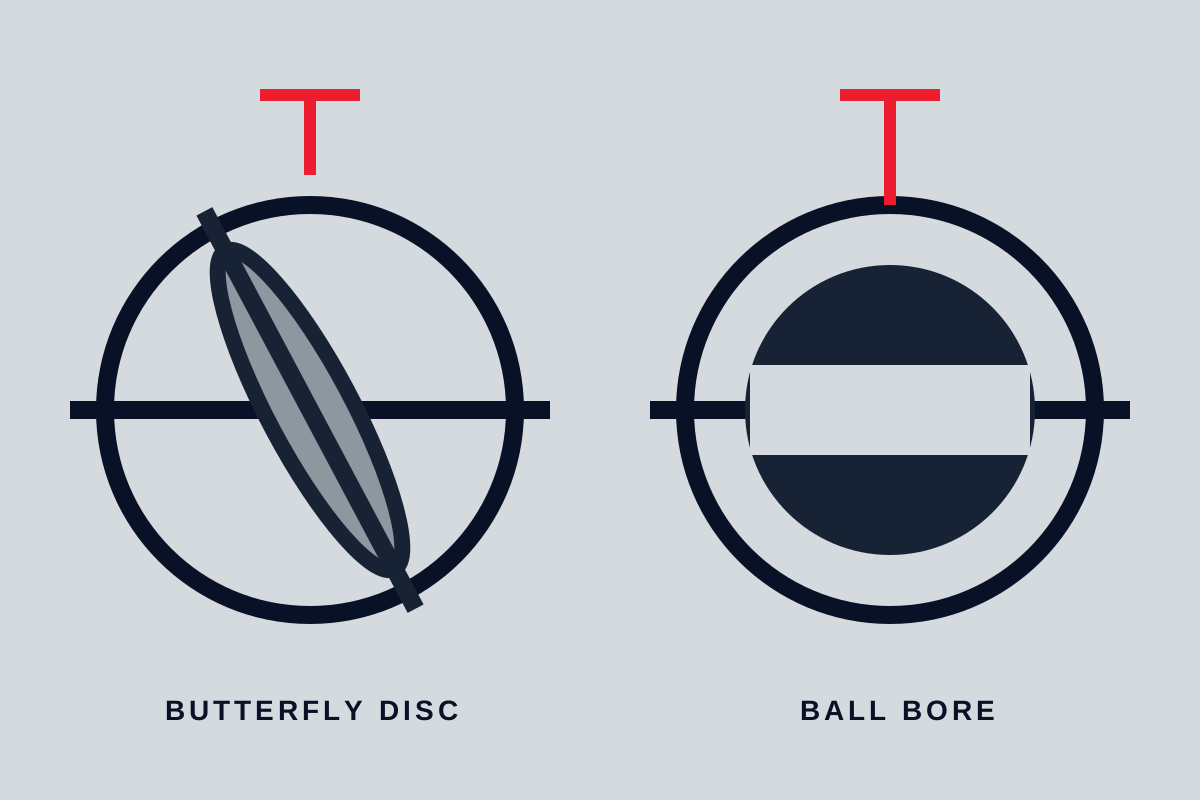
Compare butterfly and ball valves for bore size, shutoff, torque, weight, pressure drop and automated service.
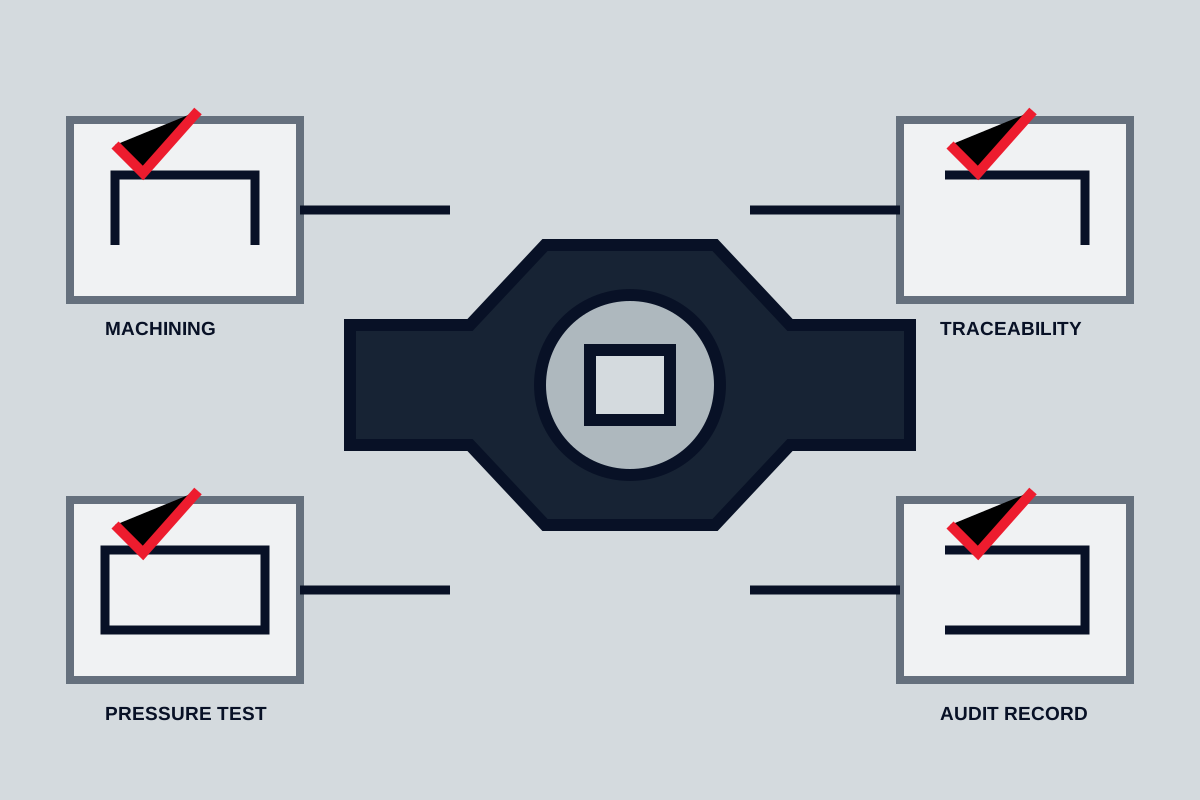
Evaluate Chinese valve manufacturers through scope, standards, foundry control, testing, traceability and order execution.
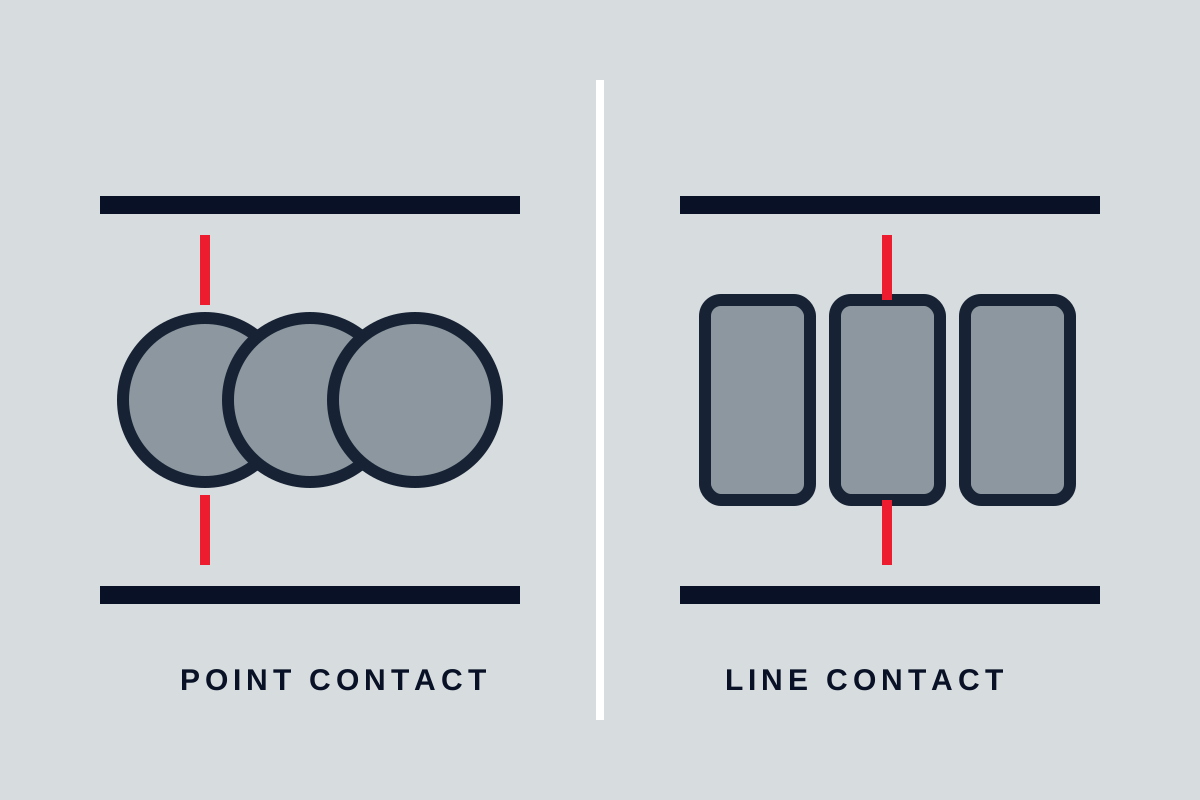
Compare point and line contact in ball and roller bearings for load capacity, speed, stiffness, friction and misalignment.
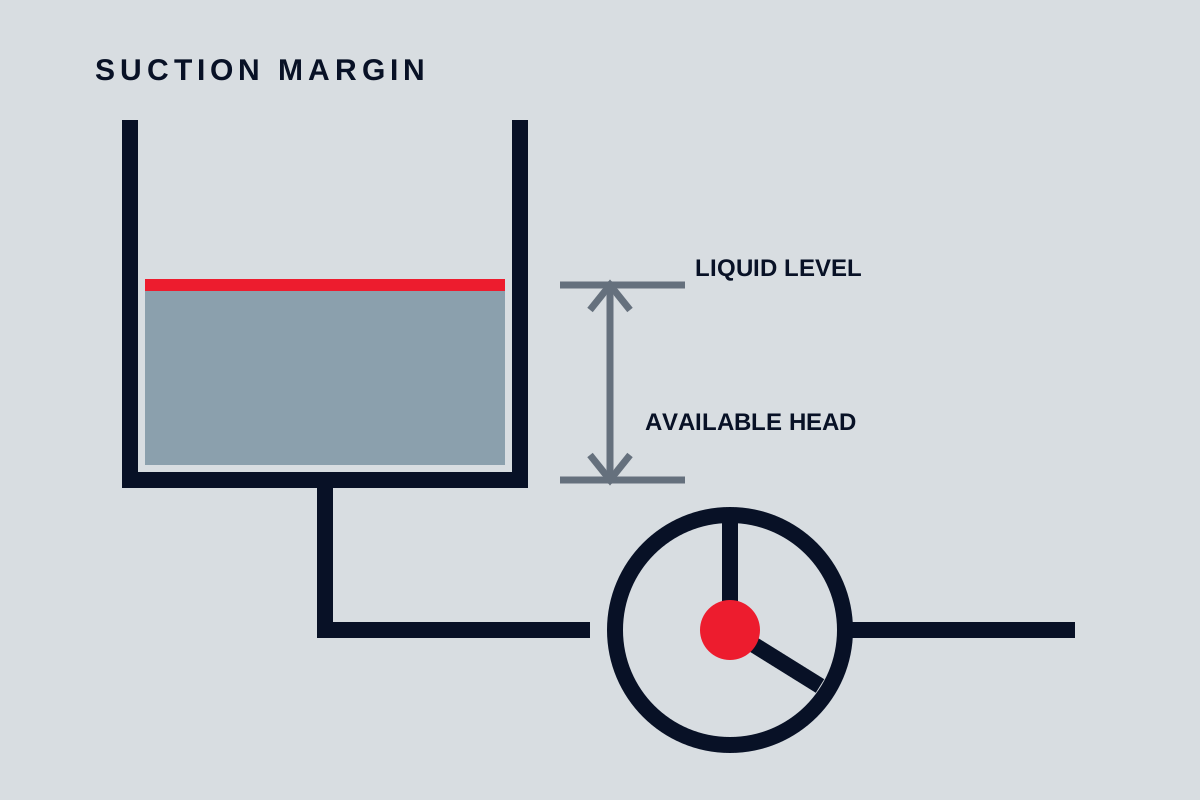
Understand available and required NPSH, cavitation risk and the installation details that protect pump suction performance.
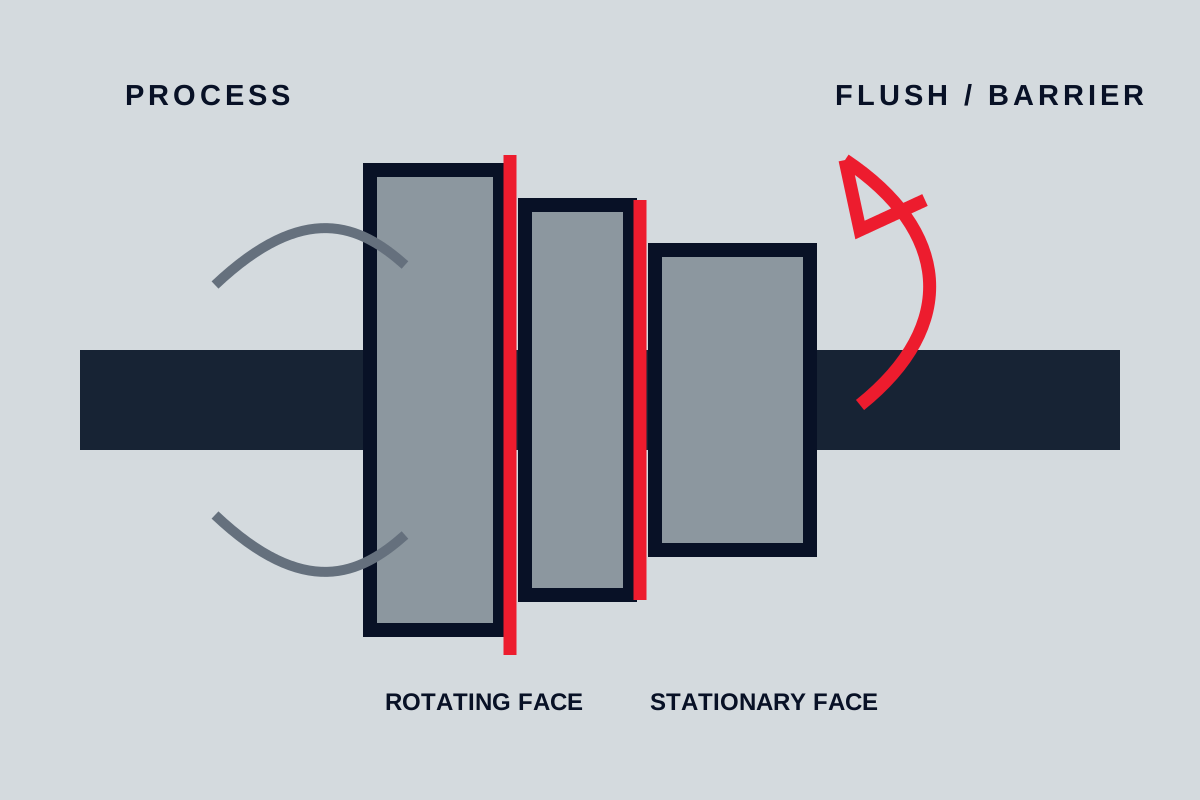
Select mechanical seal faces, elastomers, arrangement and support system for pump fluid, pressure and temperature.
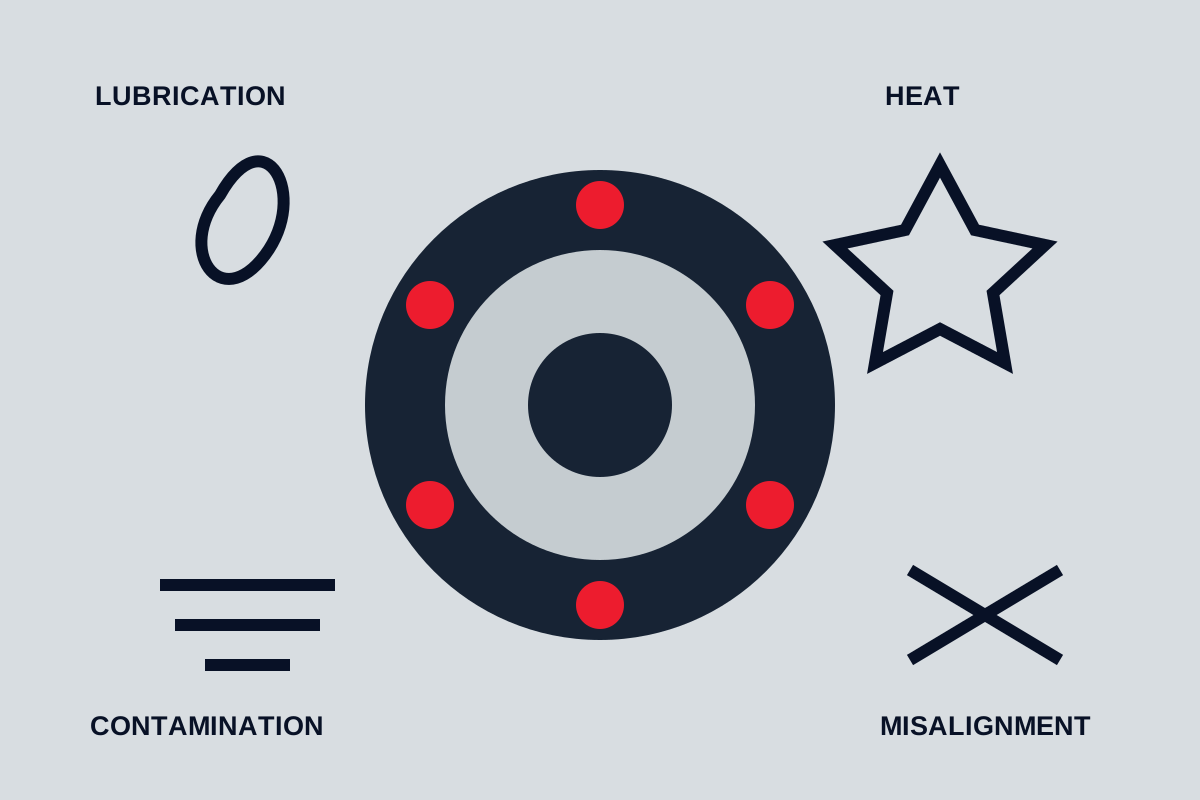
Recognise lubrication, contamination, fit, alignment, electrical and handling problems before replacing a failed bearing.