

Pumps
How to Decide Whether Centrifugal Pumps Should Run in Series or Parallel
Choose centrifugal pumps in series for added head or in parallel for added flow, then verify curves, limits, suction conditions, and controls.

TOPIC
Guides and explanations related to pump-selection.
Choose centrifugal pumps in series for added head or in parallel for added flow, then verify curves, limits, suction conditions, and controls.
Learn how to calculate and compare NPSHA and NPSHR across a centrifugal pump’s operating range and identify when engineering review is needed.
Select an abrasive slurry pump using measured solids data, corrected duty calculations, wear materials, sealing needs, and maintenance access.
Select centrifugal pump impeller materials by evaluating liquid chemistry, temperature, solids, corrosion, erosion, hydraulic duty, and manufacturer limits.
Choose a pump for viscous liquids by comparing corrected hydraulic performance, pressure control, inlet conditions, shear limits, and temperature range.
Calculate and compare NPSH available and required across the operating range, including temperature, suction losses, source level, and site pressure.
Learn how to compare centrifugal pump curves and system curves, identify the operating point, and check flow, head, power, NPSH, and operating limits.
Choose between positive displacement and centrifugal pumps by comparing flow behavior, viscosity, pressure response, control, and suction conditions.
Learn how static head, system resistance, controls, pump speed, NPSH and operating limits determine a centrifugal pump’s real duty point.
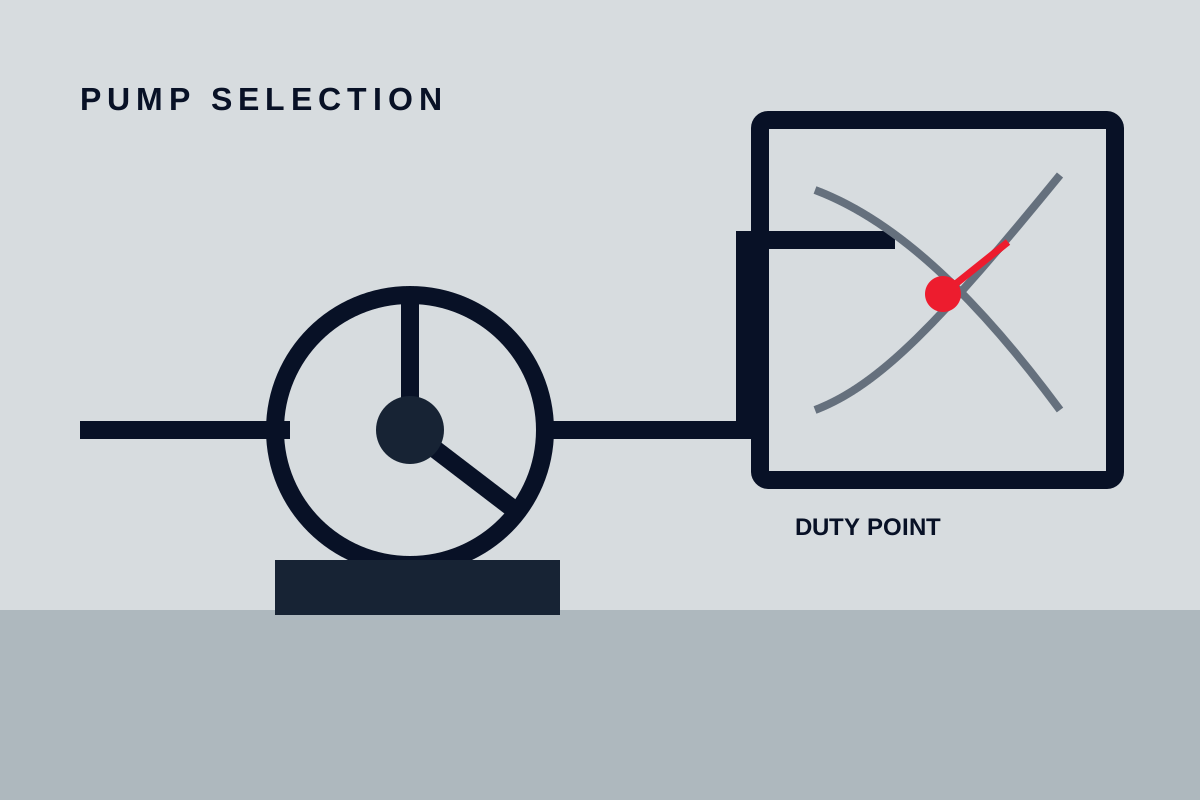
A practical method for selecting pump type, duty point, materials, seal arrangement and motor without relying on catalogue flow alone.
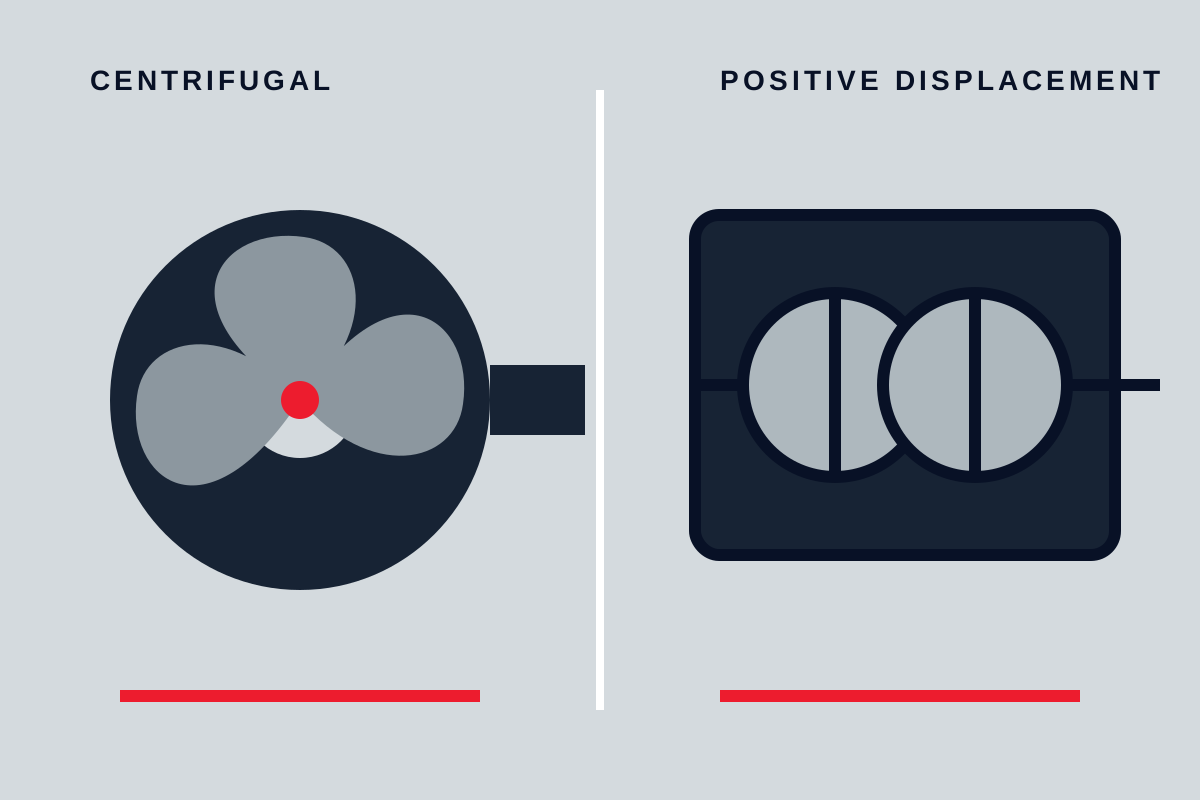
Compare centrifugal and positive displacement pumps by flow behaviour, pressure, viscosity, control, protection and typical service.
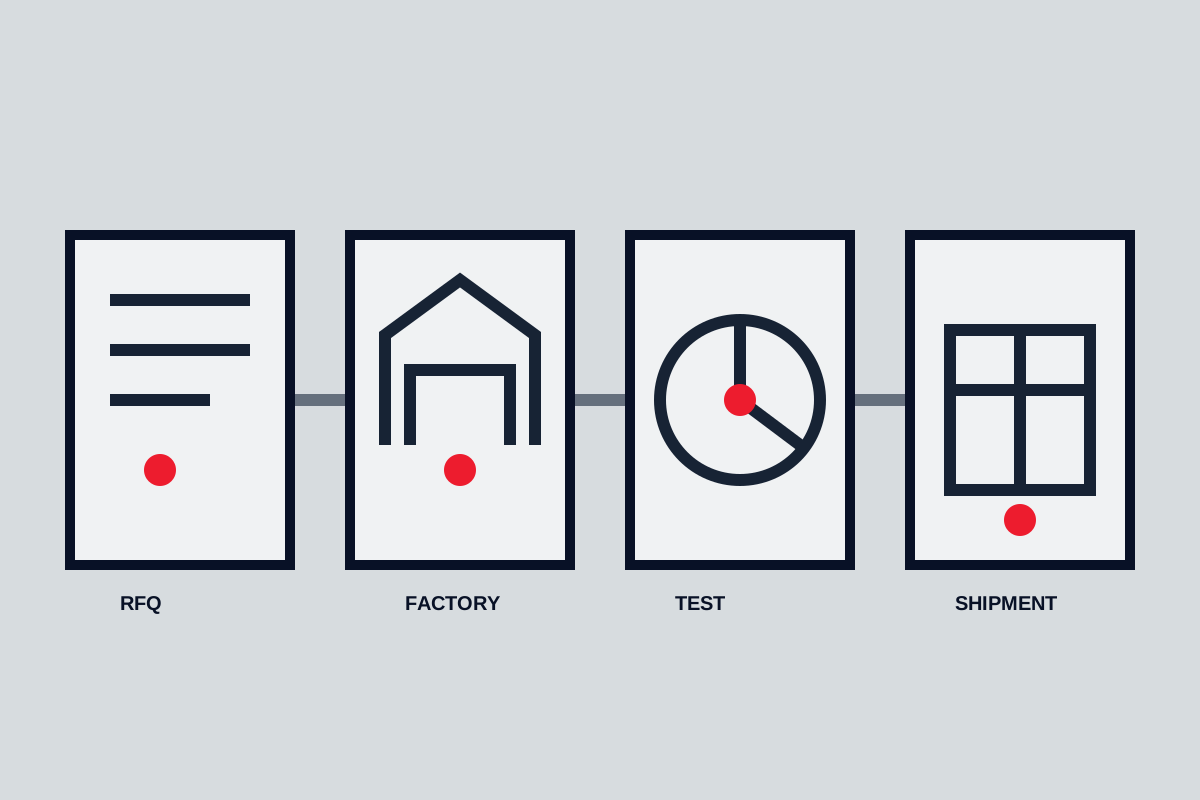
Build a pump sourcing process around duty data, manufacturer capability, documentation, inspection and acceptance tests.
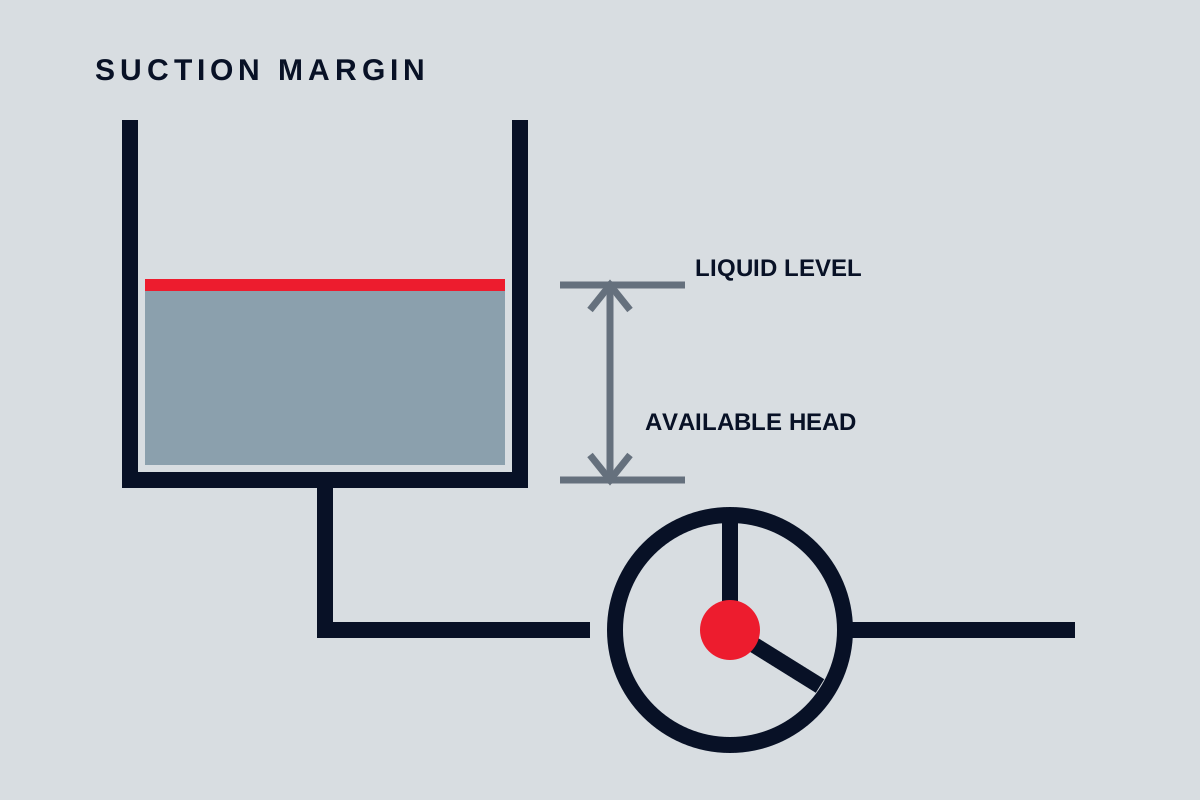
Understand available and required NPSH, cavitation risk and the installation details that protect pump suction performance.
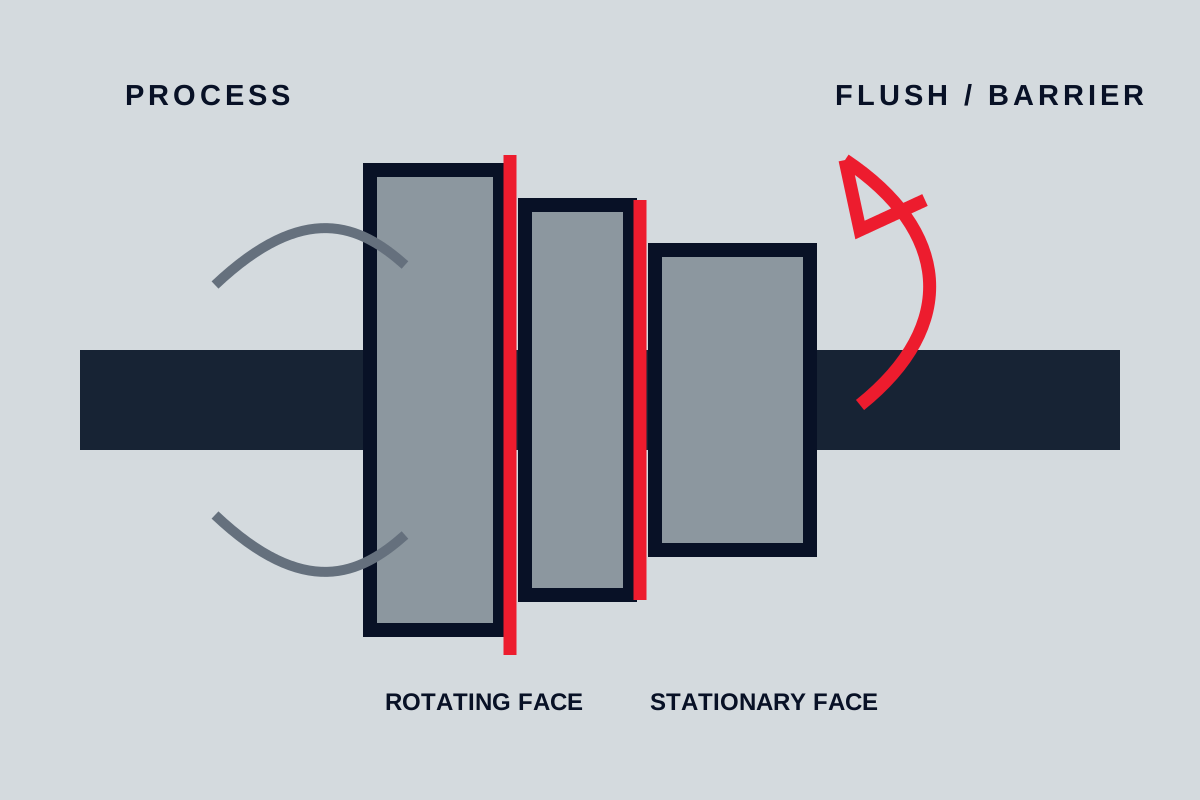
Select mechanical seal faces, elastomers, arrangement and support system for pump fluid, pressure and temperature.